





Temperatures in Europe have increased at more than twice the global average over the past 30 years – the highest of any continent in the world.
As the warming trend continues, exceptional heat, wildfires, floods and other climate change impacts will affect society, economies and ecosystems, according to a report released Wednesday by the World Meteorological Organisation (WMO).
The report, issued ahead of the annual UN Climate Change Conference COP27, in Sharm-El Sheikh, includes input from national meteorological and hydrological services, climate experts, regional bodies and UN partner agencies.
The ‘State of the Climate in Europe’ report, produced jointly with the European Union’s Copernicus Climate Change Service, focused on 2021.
It provides information on rising temperatures, land and marine heat waves, extreme weather, changing precipitation patterns, and retreating ice and snow.
The report says that between 1991 and 2021, temperatures in Europe warmed significantly, at an average rate of about +0.5 °C per decade. As a result, Alpine glaciers lost 30 metres in ice thickness from 1997 to 2021.
The Greenland ice sheet is melting and contributing to accelerating sea level rise.
In summer 2021, Greenland saw a melt event and the first ever recorded rainfall at its highest point, Summit station.
In 2021, high impact weather and climate events led to hundreds of fatalities, affecting more than half a million people and causing economic damages exceeding $50 billion. About 84 percent of the events were floods or storms.
As the climate continues to change, European people’s health is expected to be impacted in many ways, including death and illness from increasingly frequent extreme weather events.
However, the report indicates that it’s not all bad news. A number of countries in Europe have been very successful in cutting greenhouse gas emissions.
In particular, in the European Union (EU) greenhouse gas emissions decreased 31 percent between 1990 and 2020, with a net 55 percent reduction target for 2030.
Europe is also one of the most advanced regions in cross-border cooperation in climate change adaptation, in particular across transnational river basins.
It is one of the world leaders in providing effective early warning systems, with about 75 percent of people protected.
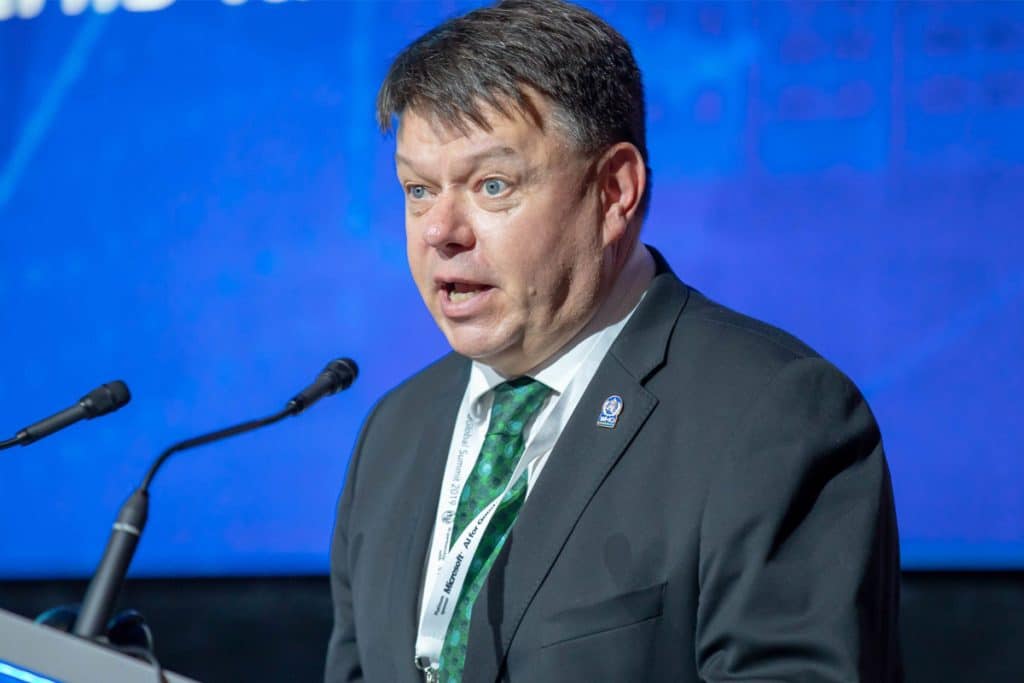
WMO Secretary-General Petteri Taalas said Europe presented a live picture of a warming world and reminded us that even well-prepared societies are not safe from impacts of extreme weather events.
This year, like 2021, large parts of Europe have been affected by extensive heatwaves and drought, fuelling wildfires.
“On the mitigation side, the good pace in reducing greenhouse gases emissions in the region should continue and ambition should be further increased. Europe can play a key role towards achieving a carbon neutral society by the middle of the century to meet the Paris Agreement,” Taalas said.
Follow us on

