




In a wide-ranging chat with journalists at the annual meeting of the International Air Transport Association (IATA), Tim Clark, Emirates President, said the Dubai-based airline sees positive signs in Boeing’s ability to deliver.
In an interview with the Financial Times in February last year, Clark had said that Boeing was in its “last chance saloon” over manufacturing quality.
Clarke also said at the IATA that Emirates is planning to keep its fleet of Airbus A380 planes, the biggest in the world (over 115 planes), in operation until the end of the next decade. Airbus said it would stop manufacturing the A380s because of slim orders.
Clarke touched upon the tariff situation in the US, saying it was too early to comment on it and that Emirates has been enjoying healthy passenger numbers, at a good price, through the summer.
Greater resolve at Boeing
According to a Reuters report, Clark said he was seeing a greater degree of determination from Boeing to resolve its many issues under a recently appointed CEO, and that the management had indicated cautious optimism over its recovery in discussions with Emirates.
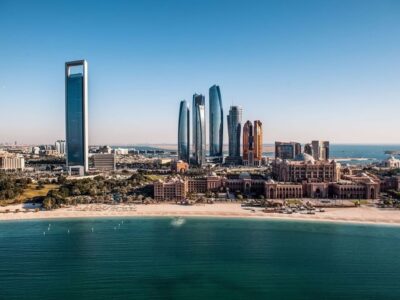
Last month, during the official visit of US President Donald Trump to the Middle East, it was announced that Etihad, the Abu Dhabi-based national airline of the UAE, had ordered for 28 wide-body Boeing aircraft with GE engines for a total of US$14.5 billion. A couple of days before that, while the President was in Qatar, Boeing received a US$96 billion worth of order for its widebody 777X and 787 airplanes from Qatar Airways.
Clark told reporters: “I’m quite impressed with the energy, the concern they have about getting that done … that’s why I was cautiously optimistic because they weren’t just talking the talk, they were walking the talk.”
In an interview with Bloomberg TV, Clark praised the leadership of Boeing’s new CEO, Kelly Ortberg.
“Boeing will be required to produce aircraft in the manner they always used to. They are safe to operate. They’re well-produced. They have quality control throughout the whole process,” Clark added.
“I can see a high degree of determination [and] earnestness to get the job done. I know Kelly is working really hard to try and get a production line at the shop floor level with both him and Stephanie (Pope, the executive vice president of the Boeing Company and president and chief executive officer of Boeing Commercial Airplanes), engaged in Seattle. They’re not in Chicago. They are watching this very closely.
“So, part of the deal is, make our aircraft, your aircraft, really good, as they always used to be, and we will try and make it easier. I’m not saying we’re going to cut corners.”
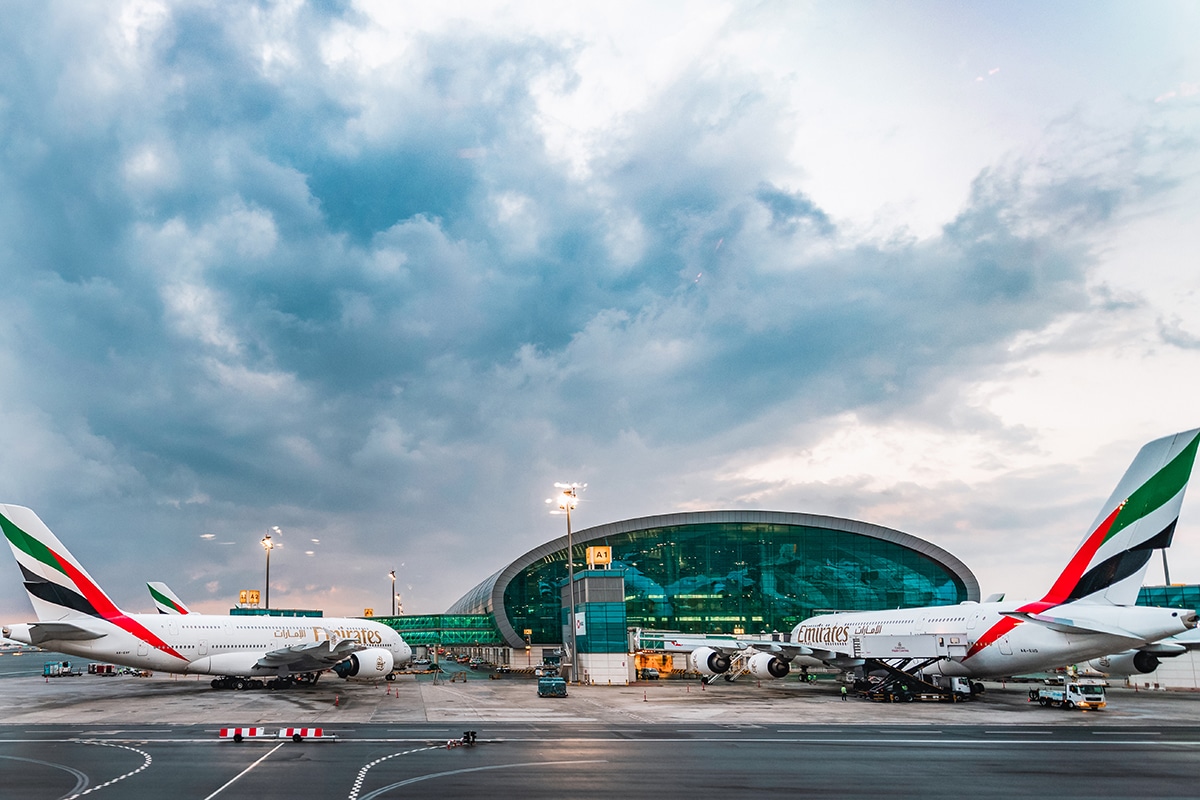
On A380s, the world’s largest plane that has the capacity to carry over 800 passengers every flight, Clark told Bloomberg that the airline is seeking to extend the lifespan of the aircraft. This includes introducing one more upgrade to the aircraft’s first-class cabins before retiring the planes at the end of next decade.
The thing about tariffs
Clark said Emirates has not yet seen a shift in demand patterns as a result of President Trump’s tariff war and expects the manufacturers to absorb the rise in cost before things settle down.
“Well, in the end, we’ll have to have that conversation (about manufacturers increasing the price because of tariff impact). They’re not in a position at the moment to say exactly what is going to happen to their cost structures, because they don’t know what the supply chain effect is going to be,” said Clark, who has been the President of Emirates since 2003.
“If you have 140 per cent tariffs that people said one day, and then it’s down to 10 per cent the next day, they’ve got to just take stock and take long-term views to what the their costs are going to do, and then have a conversation with us as to what that may be.
“As far as we’re concerned, at the moment, they can absorb that. They need to absorb that until it gets to a point where it’s not absorbable, if you can use that word, and then we have that conversation. But it’s too early to engage and say your price is going up 10 per cent etc. Because, as soon as things change positively, then we would expect those prices to come down. Those conversations are time-wasting at the moment. Let’s just sit tight and see what happens.”
Emirates Group reported a record profit before tax of AED22.7 billion ($6.2 billion), an 18 per cent increase from last year, alongside record revenue of AED145.4 billion ($39.6 billion), up 6 per cent, for the year 2024-25.
Follow us on

