



Work on the world’s largest waste-to-energy project, Dubai Waste Management Centre (DWMC), has entered the home stretch.
Dubai Municipality announced that the project, the construction of which began in 2021, is on schedule. The first phase will be complete by 2023, while the entire project is scheduled to finish by 2024.
Located in Dubai’s Al Warsan area, DWMC will contribute to Dubai Municipality’s strategic objective of reducing and completely diverting waste from landfills by 2030. The world’s most efficient energy project will convert 45 percent of the emirate’s municipal waste into renewable energy once complete.
DWMC reflects Dubai’s commitment to achieving sustainable development goals and reducing the emirate’s carbon footprint. With the city’s population expected to continue growing at an increasingly rapid pace, the project would significantly minimise municipal waste in landfills and create alternative energy sources.
Once fully operational, the plant’s renewable energy, generated from treating waste, will feed the local electricity grid with 215MWh of clean energy. Through two of its five treatment lines, the centre will commence its initial operations at 40 percent by early 2023. It will process 2,000 tonnes of solid waste to produce 80MWh of renewable energy at this stage.
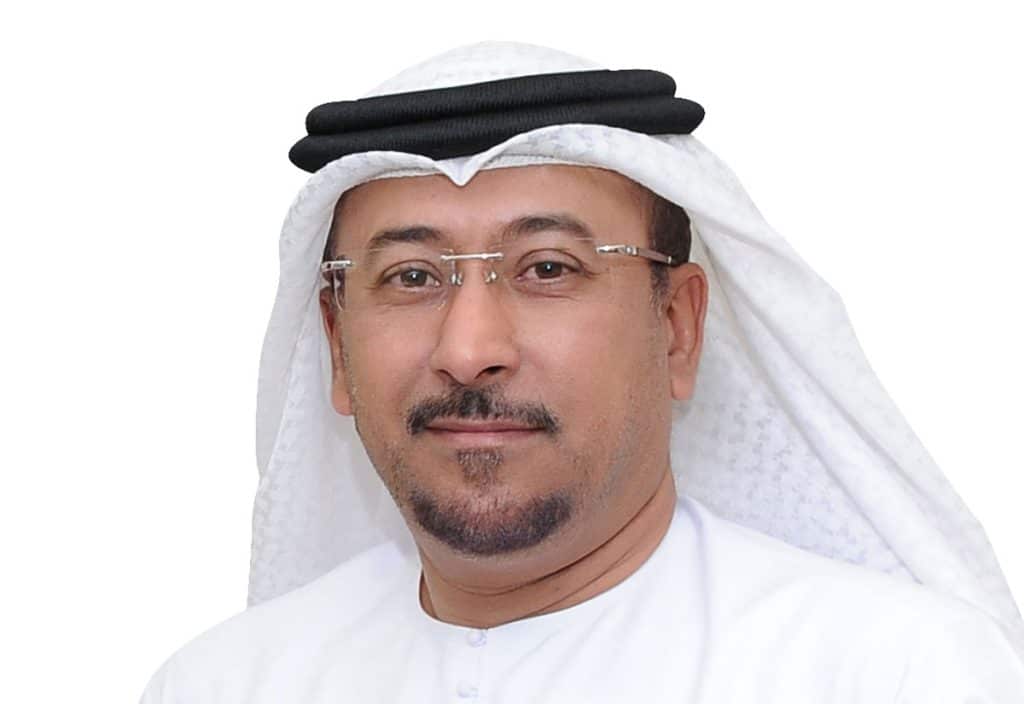
Dawoud Al Hajri, Director-General of Dubai Municipality, said the centre is a crucial pillar of Dubai’s ambition to transform into one of the world’s most sustainable cities.
“Dubai has always sought to be a pioneer in the field of waste-to-energy. By reducing the amount of solid waste and providing alternative sources for generating clean energy, the project will contribute to achieving a sustainable and eco-friendly model of waste management,” said Al Hajri, adding that the centre reflects Dubai’s efforts to protect the environment by implementing cutting-edge technologies.
“With the world’s largest operational capacity, DWMC will process 1.9 million tonnes of waste annually and convert it into renewable energy, generating enough energy to power 135,000 homes.”
Covering an area of 400,000 square meters, the facility’s generator and steam turbine, a key technology in producing electricity, have already been installed. The centre will rely on state-of-the-art Japanese and Swiss technologies for the treatment process that will ensure any emissions are environmentally friendly and odour-free.
The centre will receive around 1,000 truckloads of waste daily, with a capacity to accommodate 88 trucks per hour. Through five treatment lines, the DWMC will have the capacity to process 5,666 tonnes of solid municipal waste per day. Burnt waste will produce around 1,000 tonnes of bottom ash, which will be recycled and used in infrastructure projects.
Dubai Municipality has launched an e-platform to exchange recyclable and reusable materials for reducing the quantities of waste produced and raising the percentage of waste diverted from landfills.
The DWMC embodies the leadership’s vision to transform Dubai into a carbon-neutral economy by 2050. It also aligns with Dubai’s commitment to proactively shape and support the future of energy and climate change.
Upon completion, the mega project will also support the country’s strategy to increase the contribution of clean energy in the total energy mix to 50 percent by 2050.
Follow us on

