




Saudi Arabia’s hospitality sector is poised for significant expansion ahead of the 2034 FIFA World Cup, but risks oversupply in major cities such as Riyadh and Jeddah unless investors diversify into emerging destinations like NEOM and Abha, global real estate consultancy JLL said in a new white paper.
The report, titled Beyond the Whistle, said hotel supply in Riyadh and Jeddah is already growing rapidly, with projected annual increases of 6 and 5 per cent respectively, among the highest in the Kingdom. Riyadh currently has 22,729 hotel keys, while Jeddah’s stock of 20,518 is expected to climb to 30,611 by 2030.
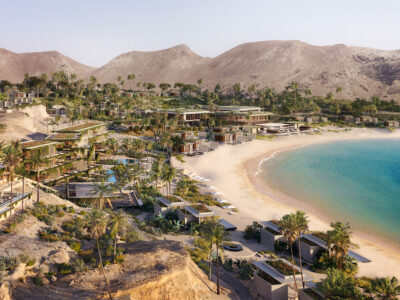
JLL warned that “while Riyadh, Jeddah and Al Khobar will remain strategically important, Abha and NEOM present more immediate and underexploited opportunities for hotel development,” particularly as the Kingdom prepares for the World Cup. These regions, it said, align with Saudi Arabia’s tourism diversification strategy and offer “first-mover advantages” in sustainable and luxury hospitality.
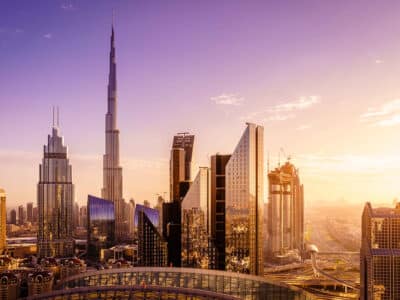
The white paper noted that Saudi Arabia’s hotel sector is being bolstered by Vision 2030’s giga-projects, including The Red Sea, Diriyah, Qiddiya and NEOM, all designed to position the country as a global tourism hub. Riyadh’s transformation through projects such as King Salman Park, New Murabba and the Riyadh Metro is also attracting corporate and leisure demand, while Jeddah’s growth is being driven by coastal and mixed-use developments.
World Cup to boost Saudi tourism
Saudi Arabia was confirmed as the host nation by FIFA in December 2024. The tournament will be the first 48-team World Cup to take place in a single host country, with matches scheduled across five cities: Riyadh, Jeddah, Al Khobar, Abha and NEOM. Final dates are yet to be determined by FIFA in coordination with Saudi authorities and other stakeholders.
JLL said the FIFA World Cup will serve as a “catalyst for inviting international investment” into Saudi hospitality, similar to the effect of the 2022 Qatar tournament, which drew 2.5 million international visitors and led to a 99 per cent surge in hotel rates.
However, the report also cited challenges, including manpower shortages and the need to elevate local service standards. “Authorities should encourage investors to upgrade existing assets to meet international hospitality standards,” it said, adding that greater incentives may be needed to attract Saudis into tourism and hotel jobs.
Saudi Arabia’s Ministry of Tourism has already revised its visitor targets to 150 million annually by 2030 after surpassing its original goal seven years early. Tourism’s share of GDP has risen to 4.4 per cent, up from 3.8 per cent four years ago, the JLL report said.
Follow us on

