





Our continuing journey to discover the future of work began with the many tools we have available today. Recognising that organisations need to determine the best ways to implement their IT solutions, we have developed and continually improved software to cater to the digital mindset of customers over the years.
Organisations must ensure their remote-first employees can leverage decentralised, frictionless processes to address customer needs and receive support from leadership and change teams.
Decentralisation can be accomplished by ensuring remote-first employees can leverage the tools needed to deliver reliable access to devices, data, and network connections.
To offer the best experience to customers through a full range of digital services, organisations need to ensure that their employees are having the best possible experience with the technologies implemented in the company because improving the employee experience positively impacts the customer experience.
The IT department should help integrate a democratised IT model and encourage the entire organisation to follow it.
However, the success of this integration will rely heavily on leadership and educating every employee about the importance of embracing this new model.
Digital-first customers
The key to successfully shifting to a democratised IT model is the commitment to treat technology and organisational culture as two interconnected entities.
The real-world implementation of these objectives involves supporting digital-first customers, a dominant segment in most customer bases today.
Digital-first customers expect an exceptional customer experience. To ensure this, organisations need to monitor the end-user experience by simulating customers’ actions from multiple devices, channels, and locations in real-time to have the right insights on the customer experience across every channel.
Intended as a helpful way to address customer service issues and provide sales and support messages, chatbots offer information about organisations’ products or services.
Customers can receive consistent, instant answers 24/7 to a variety of pressing concerns, offering businesses labour cost savings.
Many organisations, especially multinational companies using different languages in different regions, need to be able to offer personalised communications experiences for their customers and teams.
Chatbots need to be programmable to talk to customers and workforces in the language or languages the company and its customers speak.
Remote-first employees
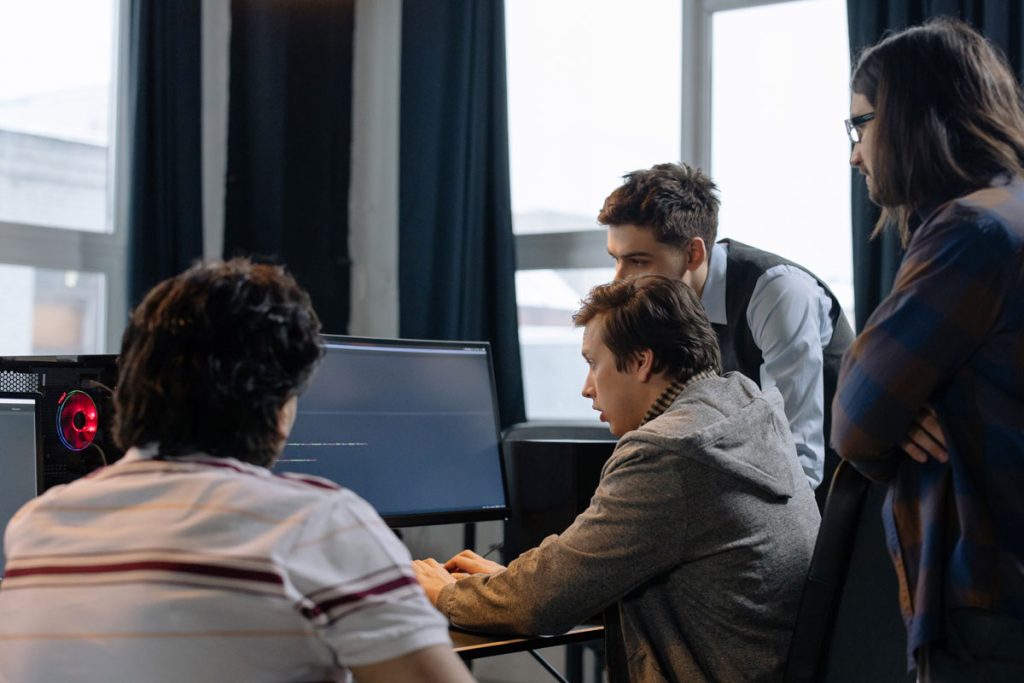
A remote-first mindset focuses on internal teams and their ability to self-organise; operate efficiently, collaboratively, and quickly; and grow comfortable with technology and automated processes.
Technology-empowered employees are key to an organisation’s success, which is dependent on their access to the applicable corporate resources.
But the potential for abuse of corporate identities introduces security concerns. Authorised access to corporate resources is not only vital from a security perspective, but is key for a strong, identity-based authentication process.
The concept of IT security has evolved. Security used to simply involve a router and firewall at the perimeter of the corporate network.
As cyberattacks evolve, so does IT security. Since every person and device, whether remote or on-premises, extends the perimeter of the network, an effective privileged access management solution will need to leverage AL and ML anomaly detection to proactively detect unusual privileged activity that could harm the business.
These solutions use ML and AI capabilities to sort through firewall and router logs to discover potential issues quickly and efficiently.
Democratisation
Demonstrating that effective customer service, support, and security practices are in place builds customer confidence.
The foundation for this confidence lies in democratisation, whereby IT is not the exclusive responsibility of the IT department, but shared across all departments and roles.

Previously, when a marketing or sales team needed a special tool to accomplish a specific goal, the request was often referred to the IT team to develop it.
Today, however, many teams no longer depend on the IT team to find creative solutions to their everyday problems and instead create these solutions themselves.
Every employee and every team should be empowered with the tools they need to build their own solutions.
The future of work
As the democratisation of IT continues, we’ll further realise the value of empowering employees to self-organise, operate efficiently, collaborate effectively, and grow comfortable with technology and automated processes in the workplace, whether remote or on-premises.
The role of the IT department will expand beyond managing technology to include encouraging other departments and teams to leverage the full potential of technology.
Customers going digital-first and employees going remote-first will revolutionise the way work gets done going forward.
But having the right tools is key to helping IT departments lead this transformation. For a long time, the role of the IT department has been managing technology. In the workplace of the future, people will be encouraged to achieve their full potential.
This is what’s possible when you have the right approach, the right intent, the right collaboration, and the right tools available within the company.
Rajesh Ganesan, vice president at ManageEngine.
Follow us on

