





Follow us on
In pictures: List of Middle East countries that have halted prayers in mosques
Top Islamic clerics in the region and in majority-Muslim North Africa have endorsed the closure of mosques to avoid large gatherings where the risk of contamination could be high.

Leading Muslim clerics have widely backed scientifically-based measures to contain the virus, notably by supporting crowd size restrictions through promotion of home prayer. Authorities in the Sunni-ruled Gulf Arab states of Saudi Arabia, the United Arab Emirates, Kuwait, Qatar, Oman and Bahrain have halted prayers in mosques.
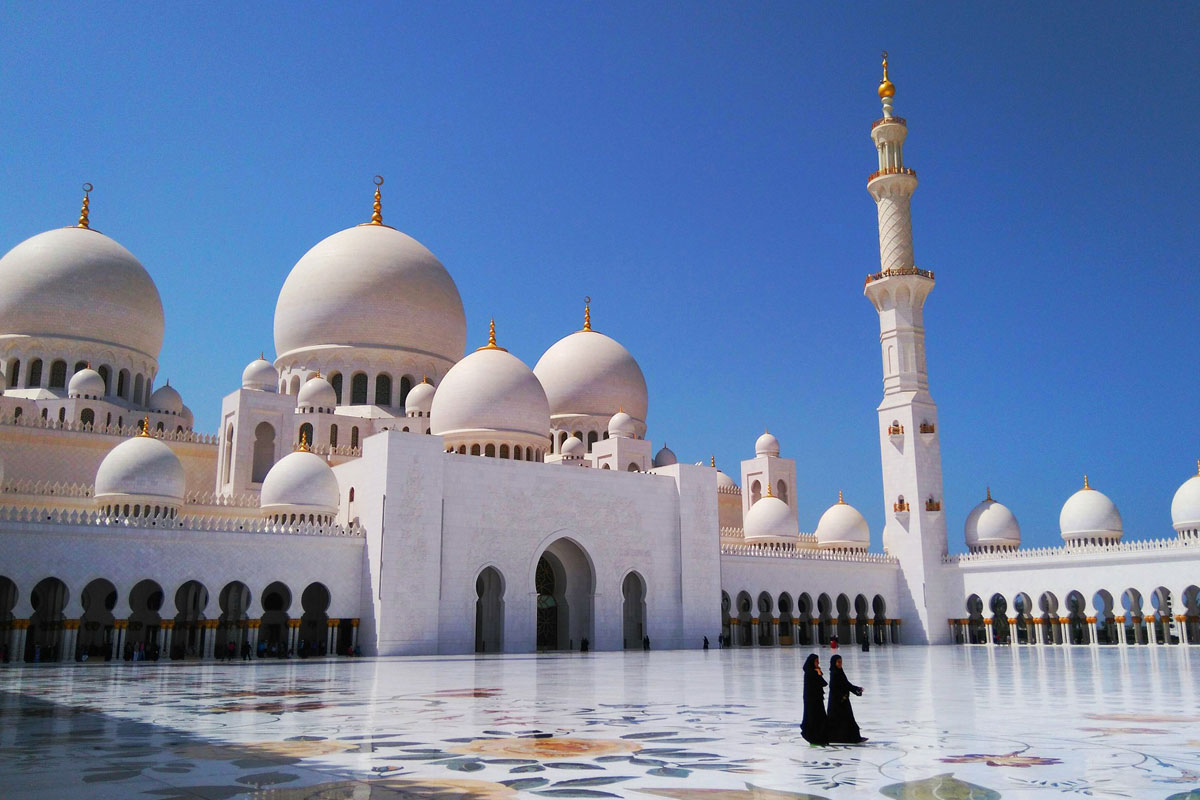
United Arab Emirates: Prayers in places of worship across the UAE have been suspended until the end of March under new measures aimed at addressing the ongoing threat of coronavirus.
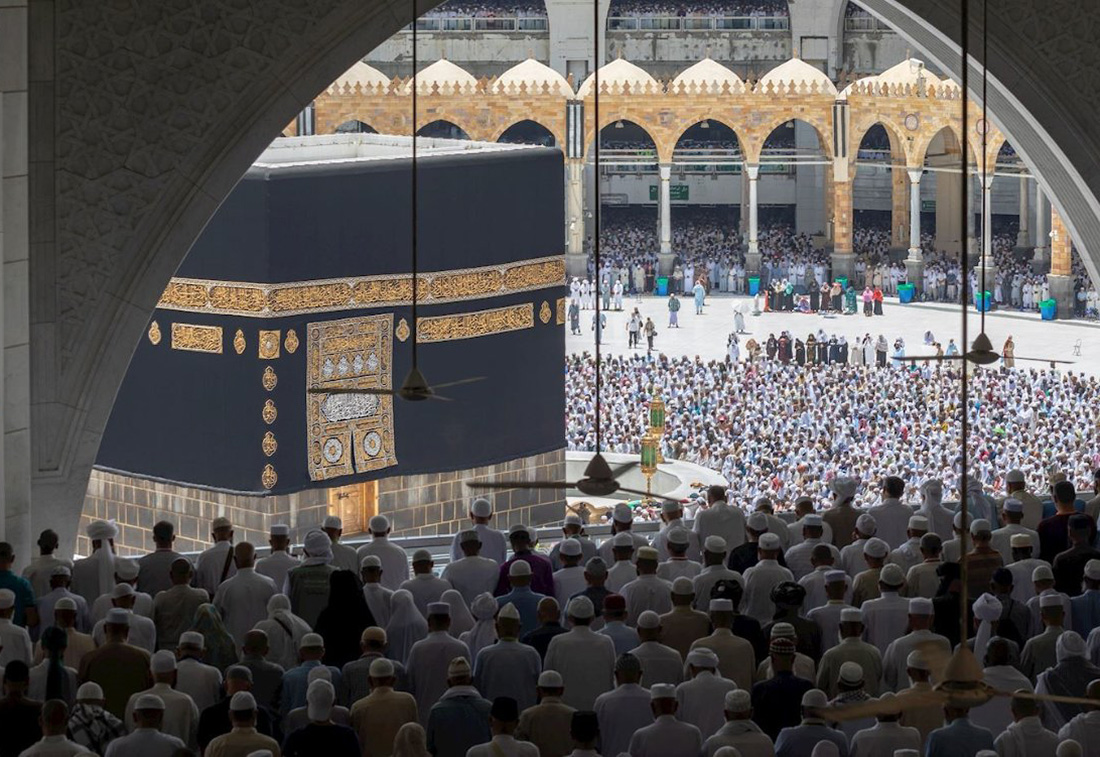
Saudi Arabia: Saudi Arabia has suspended prayers inside all its mosques except the holiest two sites in Islam as it steps up efforts to contain the new coronavirus, state media reported.
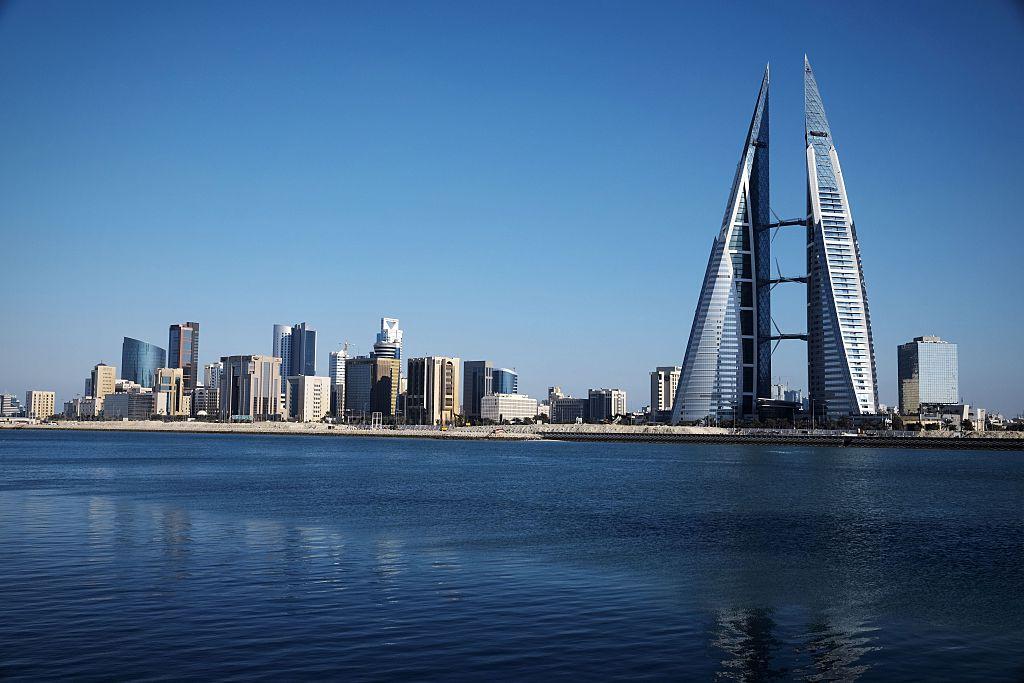
Bahrain: Bahrain announced Thursday halt of Friday sermon and prayer at all mosques, starting from March 20, 2020 until further notice, but mosques would remain open for the five daily prayers. Image: AFP/Getty Images

Kuwait: Kuwait banned all mass prayers, an unprecedented move in a country where hundreds of thousands pray side-by-side every day.
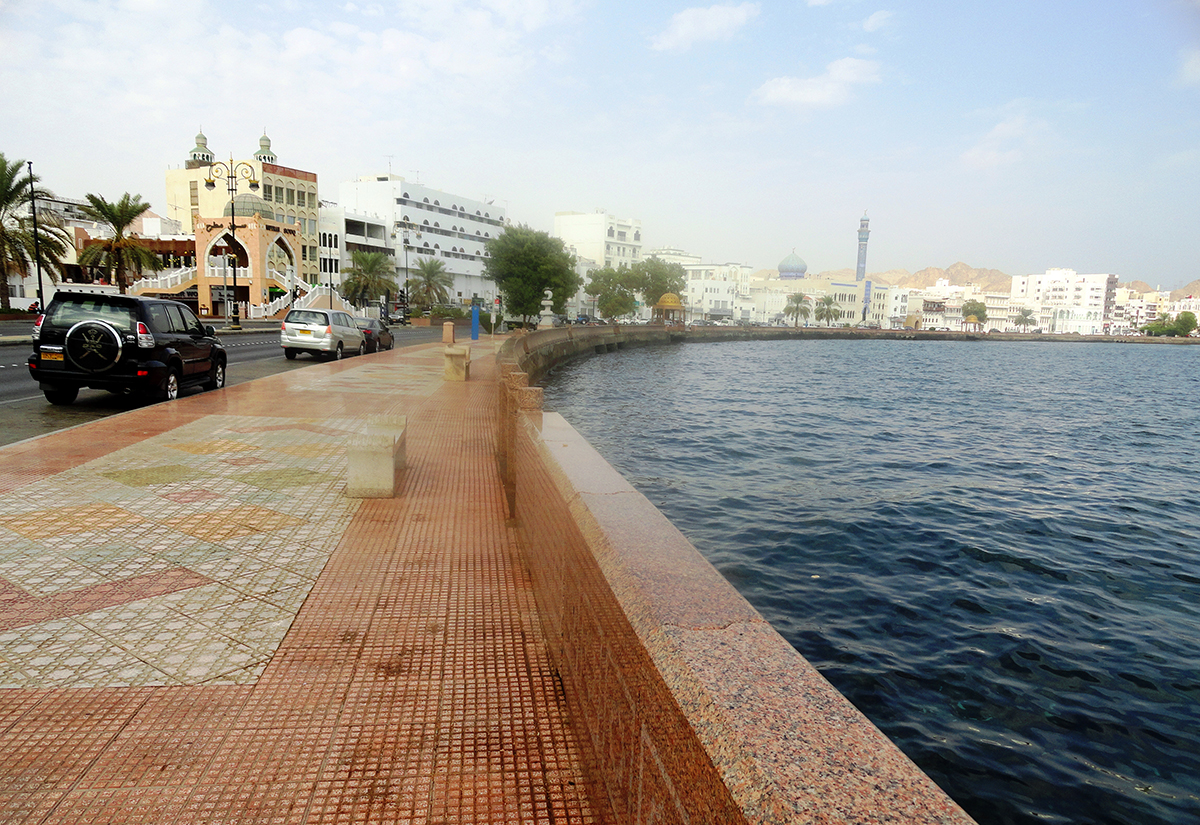
Oman: Oman halted prayers in mosques, starting Wednesday at midday – except for the call to prayer.
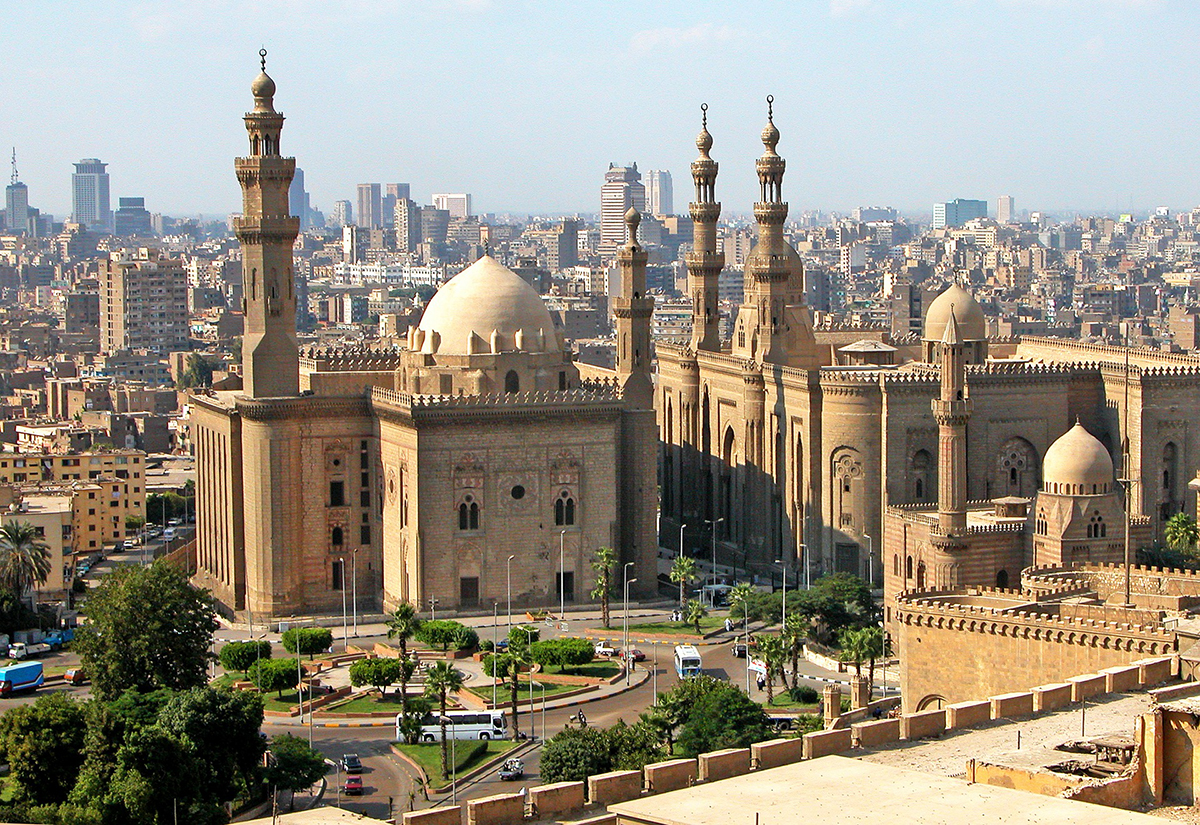
Egypt: In Egypt, the most populous Arab country, religious authorities have ordered a two-week closure of mosques and churches and banned mass communal prayers.
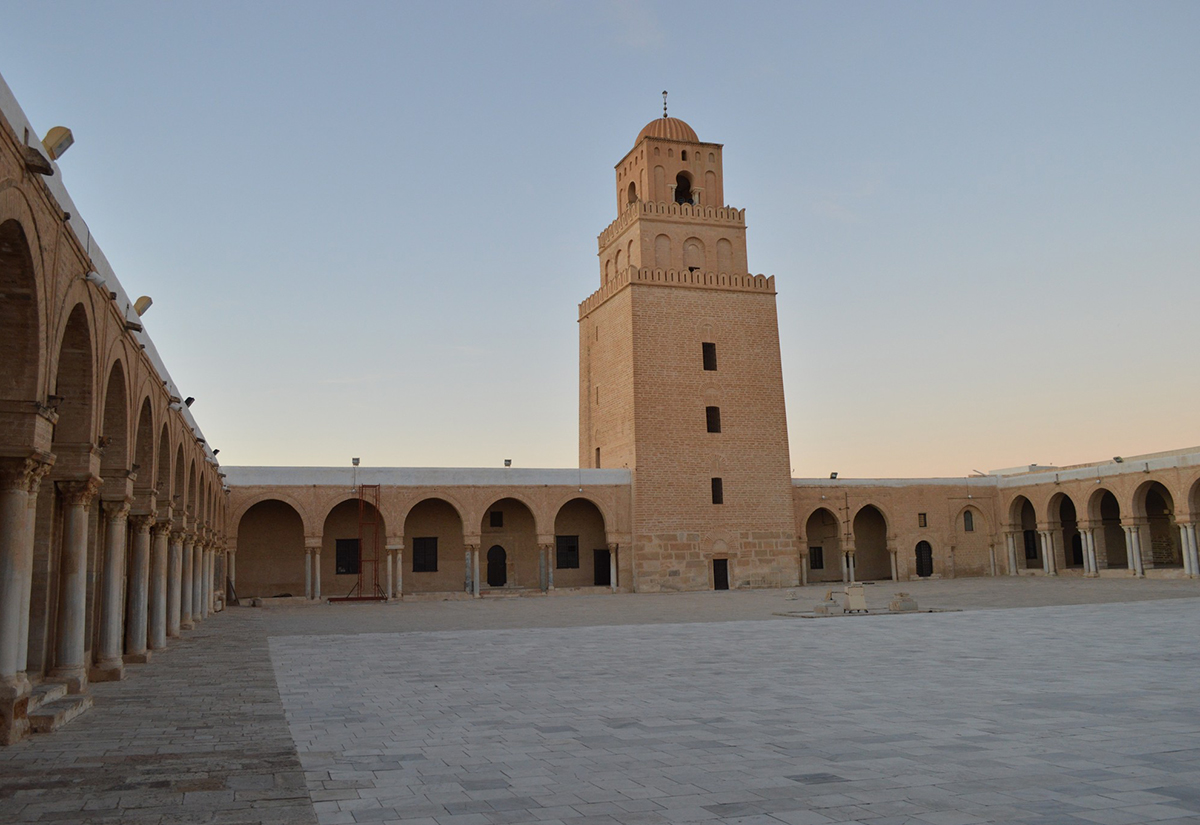
Tunisia: The government in Tunisia — where some worshippers have been praying in front of shuttered mosque doors — said messages from imams will be broadcast to reinforce essential health protections.

Algeria: In Algeria, the azan, or call for prayer which the muezzin issues for the obligatory five daily Muslim prayers, has been modified. Muezzins are now encouraging worshippers to pray at home. Image: AFP/Getty Images
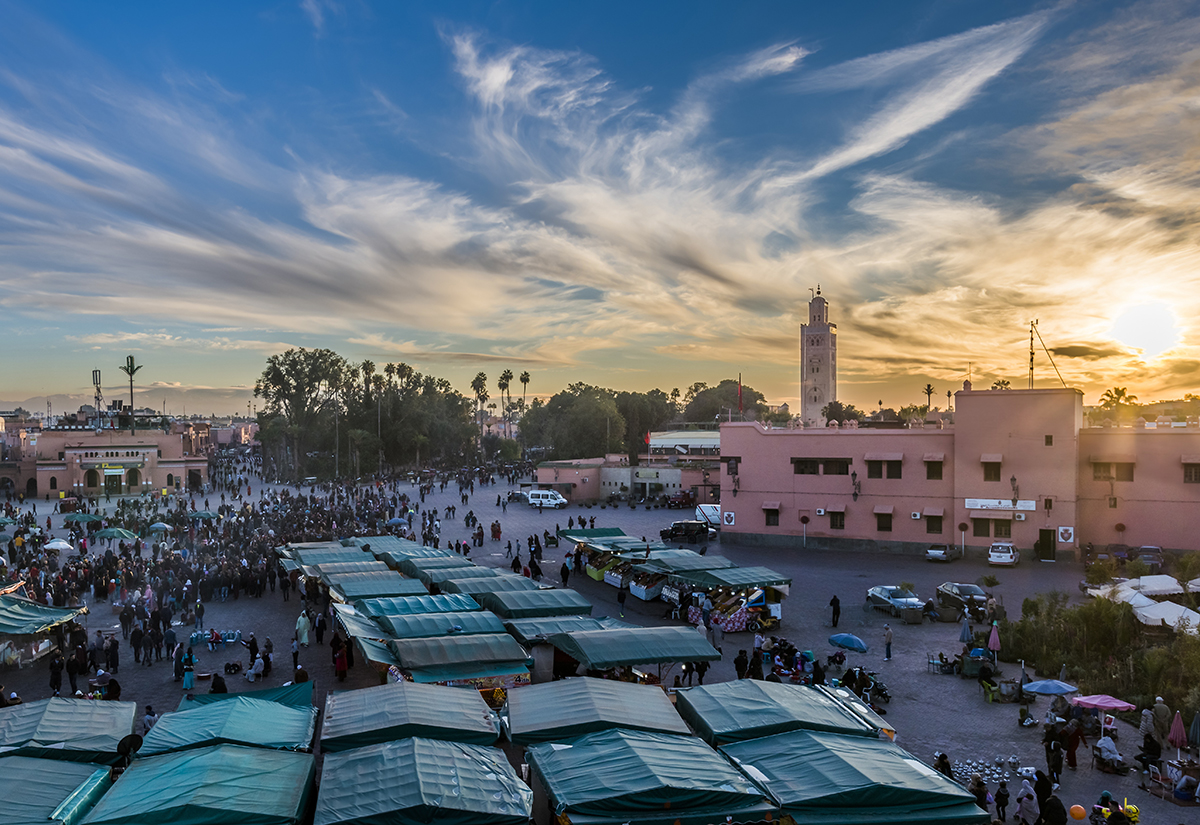
Morocco: After Morocco closed mosques and announced a ban on all non-essential movements, outspoken Salafist preacher Abou Naim decried those moves as “apostasy”. He was arrested on terrorism charges.

