




Follow us on
More of this topic
In pictures: Gaza electricity crisis
Gazans normally receive power in alternating eight-hour cycles, with those able to afford it using private fuel generators for the down times. But for the past two weeks, they have received a maximum of four hours a day from the state energy supply.
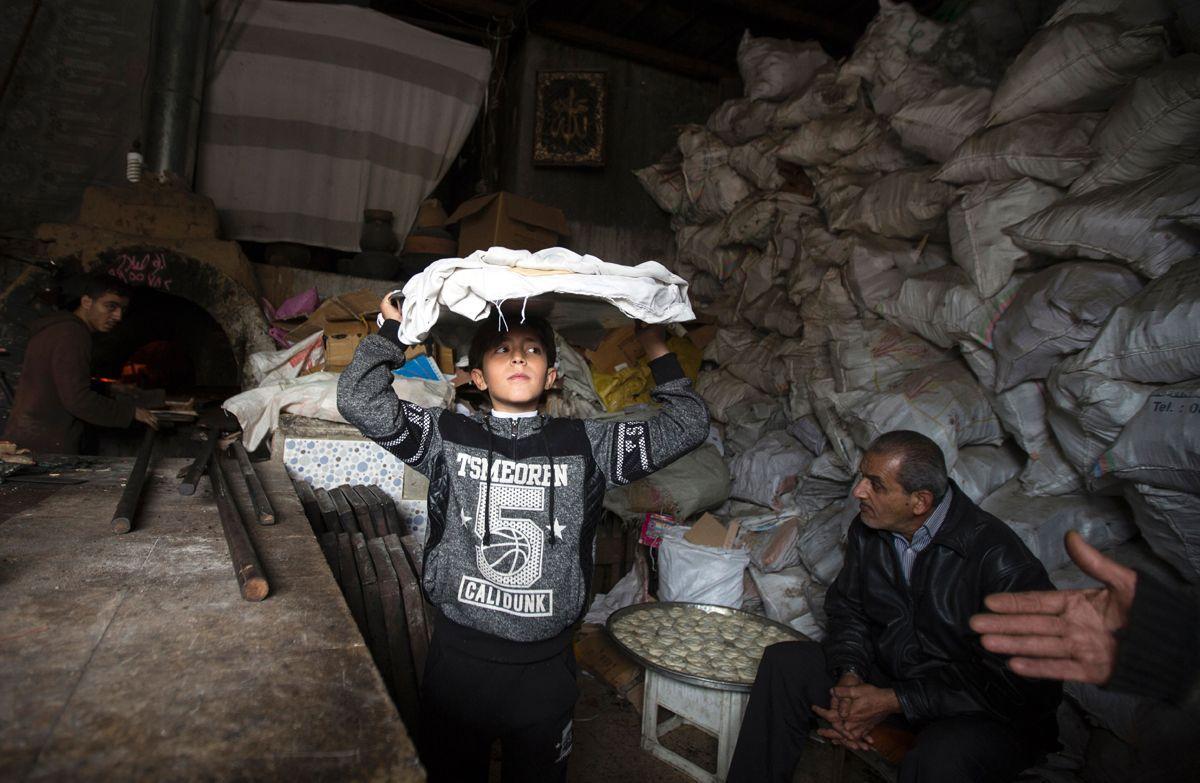

A Palestinian boy waits for food to be cooked at a traditional bakery in Gaza City on January 14, 2017. Crippling shortages of electricity in Gaza and reports of children dying of cold have stoked anger in the Palestinian enclave where there are daily protests against its Hamas leaders. Gazans normally receive power in alternating eight-hour cycles, with those able to afford it using private fuel generators for the down times. But for the past two weeks, they have received a maximum of four hours a day from the state energy supply. (MAHMUD HAMS/AFP/Getty Images)

Palestinians wait for freshly-baked bread at a traditional wood oven in the Rafah refugee camp, in the southern Gaza Strip on January 14, 2017. Crippling shortages of electricity in Gaza and reports of children dying of cold have stoked anger in the Palestinian enclave where there are daily protests against its Hamas leaders. Gazans normally receive power in alternating eight-hour cycles, with those able to afford it using private fuel generators for the down times. But for the past two weeks, they have received a maximum of four hours a day from the state energy supply. (SAID KHATIB/AFP/Getty Images)

A child sleeps as Palestinians take part in a protest against the ongoing electricity shortages in Gaza City on January 12, 2017. Power shortages in the Palestinian enclave have occurred repeatedly in recent weeks, with homes in Gaza City typically getting around four hours a day — rather than at least eight normally. (MOHAMMED ABED/AFP/Getty Images)

Palestinians take part in a protest against the ongoing electricity shortages in Gaza City on January 12, 2017. Power shortages in the Palestinian enclave have occurred repeatedly in recent weeks, with homes in Gaza City typically getting around four hours a day — rather than at least eight normally. (MOHAMMED ABED/AFP/Getty Images)
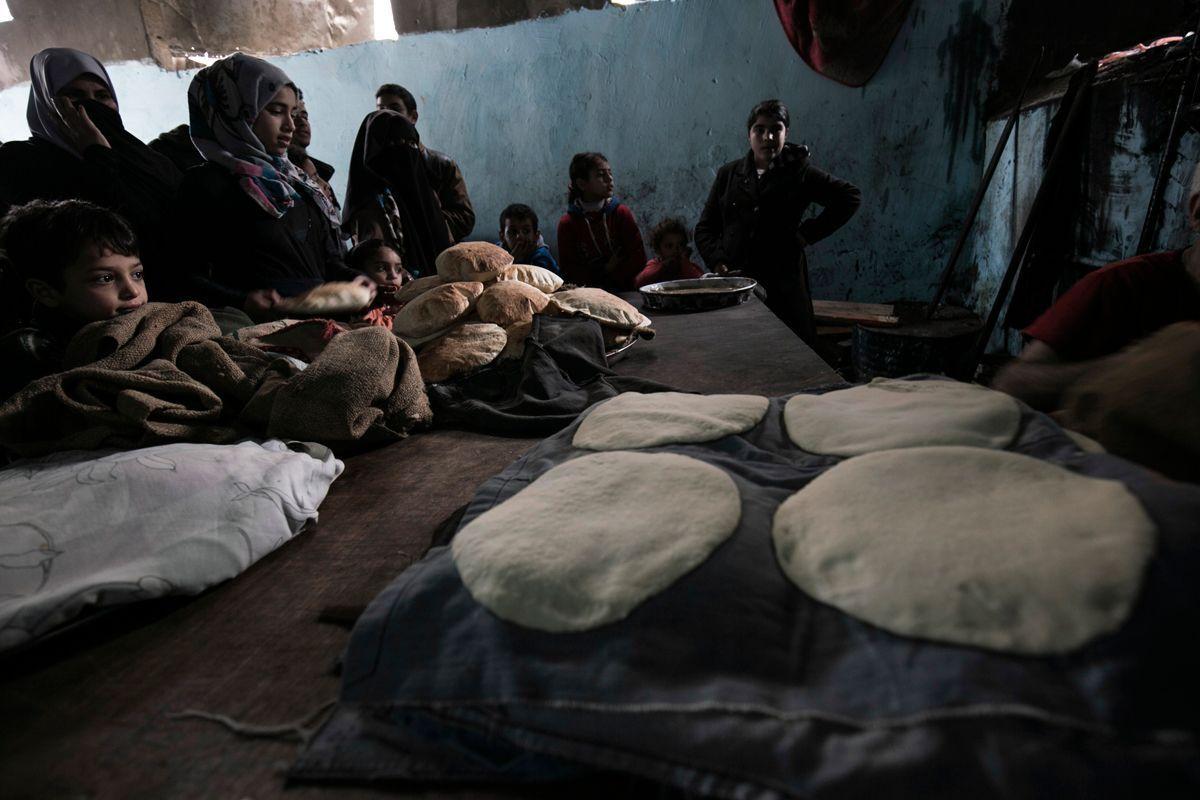
Palestinians wait for freshly-baked bread at a traditional wood oven in the Rafah refugee camp, in the southern Gaza Strip on January 14, 2017. Crippling shortages of electricity in Gaza and reports of children dying of cold have stoked anger in the Palestinian enclave where there are daily protests against its Hamas leaders. Gazans normally receive power in alternating eight-hour cycles, with those able to afford it using private fuel generators for the down times. But for the past two weeks, they have received a maximum of four hours a day from the state energy supply. (SAID KHATIB/AFP/Getty Images)

Palestinians wait for freshly-baked bread at a traditional wood oven in the Rafah refugee camp, in the southern Gaza Strip on January 14, 2017. Crippling shortages of electricity in Gaza and reports of children dying of cold have stoked anger in the Palestinian enclave where there are daily protests against its Hamas leaders. Gazans normally receive power in alternating eight-hour cycles, with those able to afford it using private fuel generators for the down times. But for the past two weeks, they have received a maximum of four hours a day from the state energy supply. (SAID KHATIB/AFP/Getty Images)

Palestinians gather at a traditional bakery, to cook their food and buy bread, in Gaza City on January 14, 2017. Crippling shortages of electricity in Gaza and reports of children dying of cold have stoked anger in the Palestinian enclave where there are daily protests against its Hamas leaders. Gazans normally receive power in alternating eight-hour cycles, with those able to afford it using private fuel generators for the down times. But for the past two weeks, they have received a maximum of four hours a day from the state energy supply. (MAHMUD HAMS/AFP/Getty Images)

