


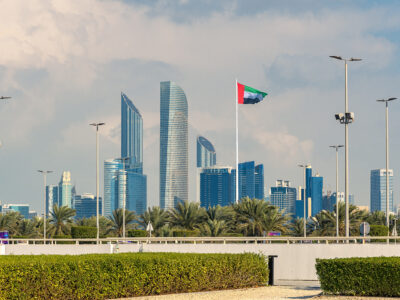



The UAE will continue to attract foreign direct investment (FDI) and global businesses despite introducing a federal corporate tax on business profits, effective after June 1 2023, industry experts told Arabian Business.
Largely perceived as an “expected and logical” move following the UAE’s economic diversification efforts, the corporate tax will apply to all businesses and commercial activities alike, except for the extraction of natural resources which will remain subject to emirate level corporate taxation.
“The UAE seeks to diversify its tax base, and raising corporation tax was the logical next move towards achieving this,” said Scott Livermore, ICAEW Economic Advisor and Chief Economist at Oxford Economics.
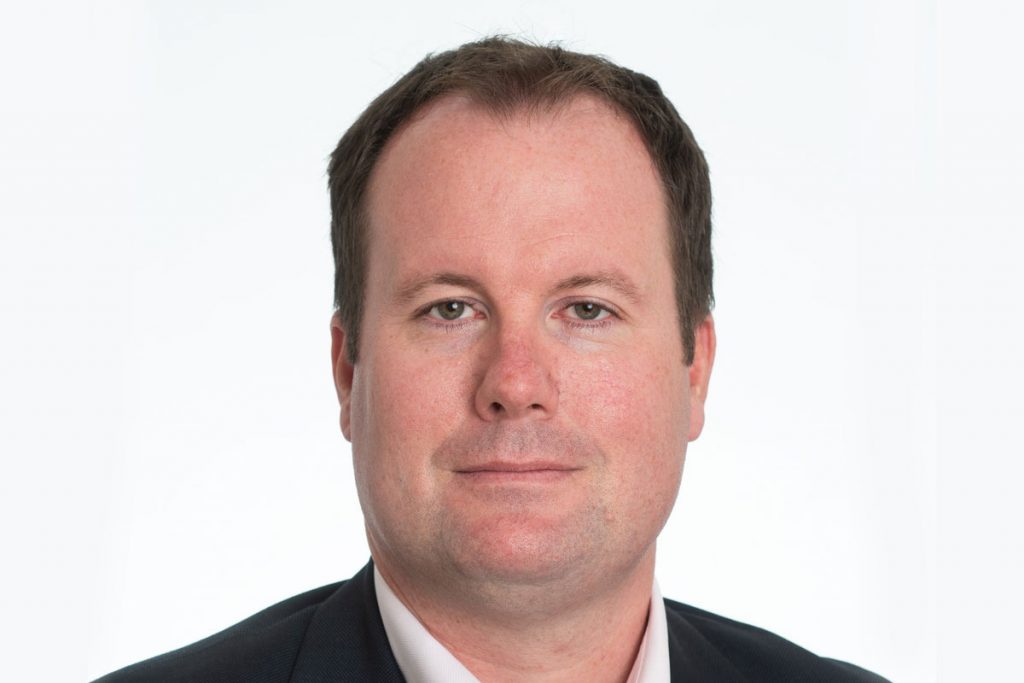
“The introduction of the Global Minimum Corporate Tax means that tax competition becomes less severe, and the move will be less discouraging of FDI. With tax differentials becoming less, FDI will be drawn by other factors such a quality of infrastructure and the general business environment. Both are areas where the UAE should feel confident. Other countries in the region will likely follow as they all face the similar challenge of diversifying their tax base,” he continued.
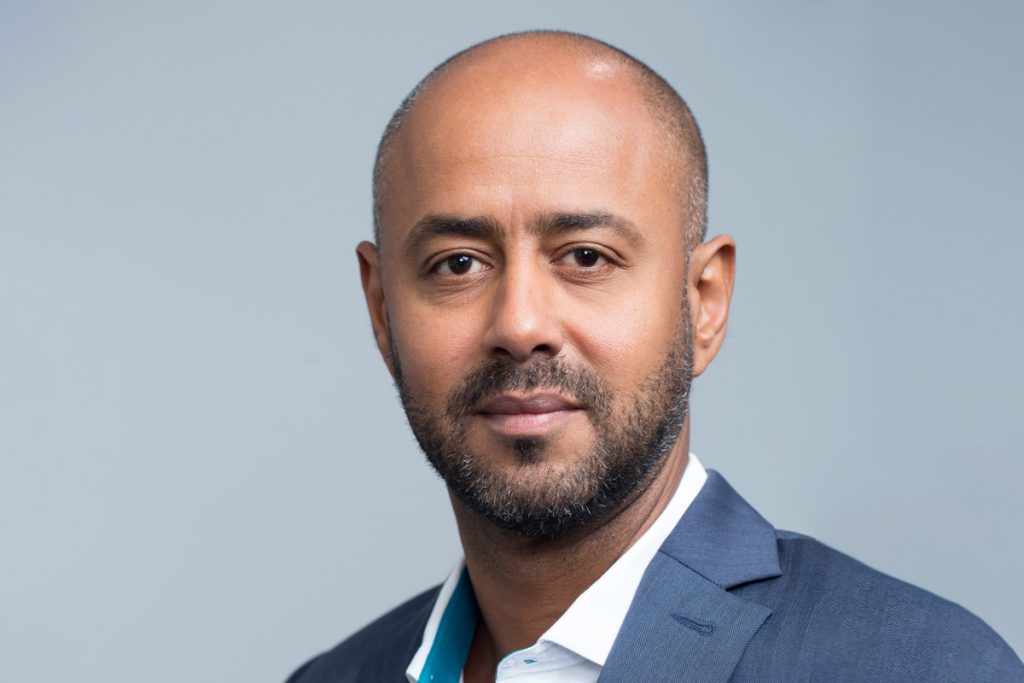
Many of UAE’s employees have taken to social media with questions regarding how the corporate tax will impact their paycheques. While there are no taxes announced on income, Nazar Musa, CEO at PRO Partner Group said: “Indirectly there will of course be a strain on some organisations to maintain shareholder profits, and so this may affect the packages that employees receive. However, this is just conjecture at present.”
Some see the corporate tax as a natural consequence of the UAE’s efforts to attract foreign investments and international talent.
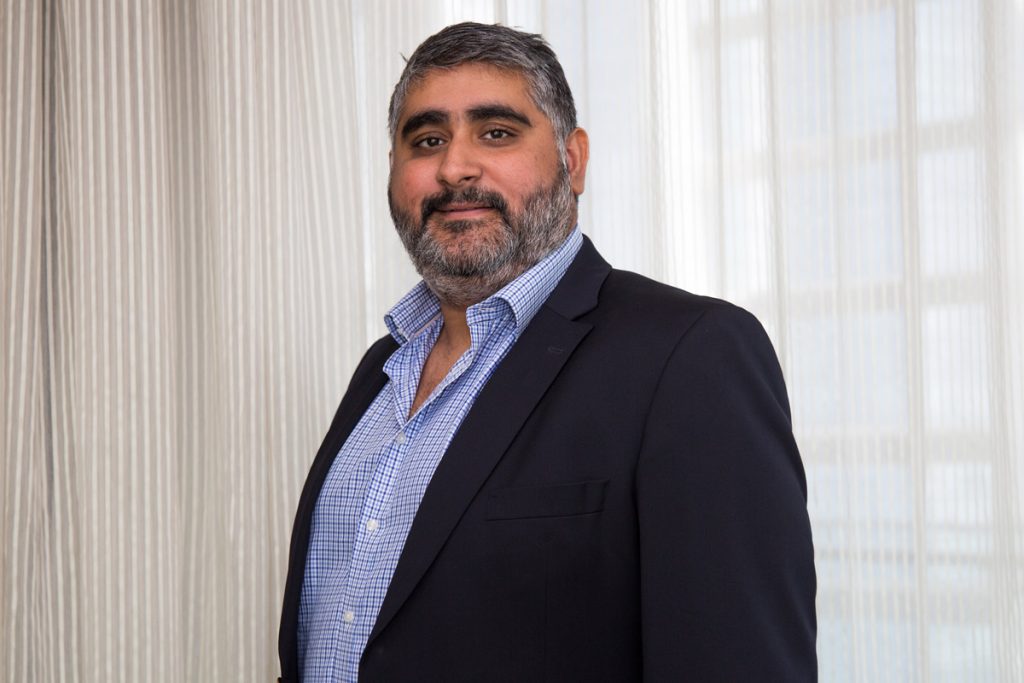
“The corporate tax announcement has been expected for the past months. The leadership in the UAE is doing everything it can to make individuals and businesses to feel they belong. With Golden Visas and nationalities being issued they have given all the right signals for attracting long term investment,” said Vinayak Mahtani, CEO of bnbme holiday homes.
“This will, in the future, require large investments in infrastructure to support this growth, and corporate tax will go towards helping this investment. I am confident that we will see a high return on the corporate tax for business by maintaining the highest standards for operating a business globally,” he continued.
No corporate tax will apply on personal income from employment, real estate and other investments, or on any other income earned by individuals that does not arise from a business or other form of commercial activity licensed or otherwise permitted to be undertaken in the UAE.
“It can be argued that this development was somewhat expected however the swiftness may have caught some sectors by surprise,” said Musa.
“Interestingly income from real estate will also not be liable for taxation and so this sector has also been protected and points to the UAE focusing on attracting this form of investment,” he continued.
With a standard statutory tax rate of 9 percent, and a 0 percent tax rate for taxable profits up to AED375,000 to support small businesses and start-ups, the UAE corporate tax regime will be among the most competitive in the world.
“The ability to protect the income of growing businesses will allow them to re-invest and go some way to secure the space for entrepreneurs and SME owners,” said Musa.
“If we look at corporate tax around the world, the 9 percent in the UAE ensures that the country retains its position as a competitive place to conduct business. Corporate tax in the UK is 19 percent, its 21 percent in the US, 15 percent in Germany, 17 percent in Singapore and 28 percent in France. The lack of income tax should also still attract talent into the UAE from around the world,” he continued.
Follow us on

