



The Central Bank of the United Arab Emirates (CBUAE) has outlined priorities for the next phase of development of the country’s financial sector, with a focus on digital transformation, payments infrastructure and regulatory reform.
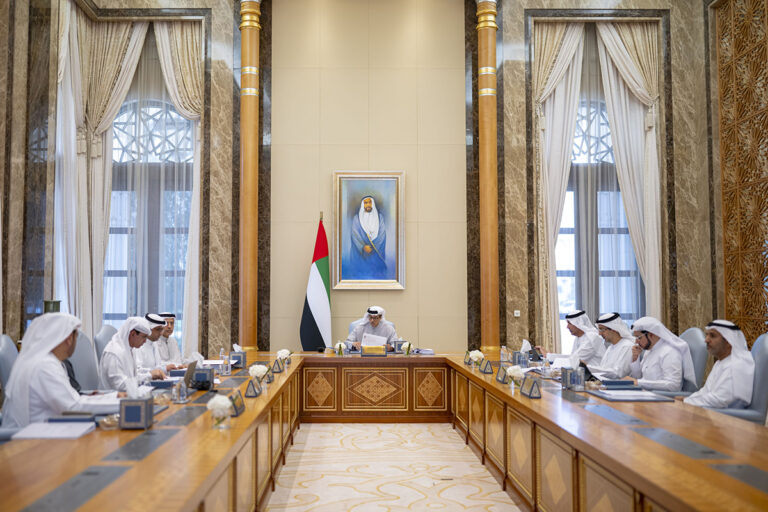
The agenda was reviewed at a meeting of the Central Bank’s Board of Directors, chaired by His Highness Sheikh Mansour bin Zayed Al Nahyan at Qasr Al Watan in Abu Dhabi.
The Board assessed progress made during 2025 and reviewed a range of transformational projects aimed at strengthening financial infrastructure and operational efficiency. These included the International Central Securities Depository project and the Real Time Gross Settlement system, which are intended to enhance settlement processes and support financial stability. The Board also approved the Central Bank’s estimated budget for 2026.
Strengthening UAE’s financial infrastructure
Developments in digital payments and cross-border connectivity formed a central part of the discussions. The Board was briefed on the expansion of the “Jisr” platform for central bank digital currencies, with several central banks joining the system, and its interlinking with the UAE’s Instant Payment Interface.
Updates were also provided on “Jaywan”, the UAE’s first domestic card scheme, which aims to facilitate cross-border payments, reduce transaction costs and enable instant settlement between the UAE and other markets.
These initiatives align with the Central Bank’s strategy to expand participation in the UAE’s payment systems during 2026, reinforcing the country’s position within global financial networks and supporting economic growth.
The Board also reviewed plans to further develop regulatory and legislative frameworks for the banking and insurance sectors. It approved the issuance of three new regulations, covering insurance licensing, insurance brokers and telemarketing, in line with Cabinet Resolution No. 56 of 2024. The measures are intended to strengthen consumer protection and improve market efficiency.
Progress on national workforce development was also discussed. The Board was updated on Emiratisation in the financial sector and the outcomes of the “Ithraa” Emiratisation Programme for 2023 to 2026, which has achieved 95 per cent of its targets through the recruitment of 9,754 UAE nationals.
In addition, the Board discussed projects related to the UAE’s financial infrastructure transformation programme, governance systems, international cooperation and the strategic plans of the Central Bank’s subsidiaries. Departmental reports were reviewed and decisions taken to support priorities for the next phase and further strengthen the resilience and competitiveness of the UAE’s financial system.
Follow us on

