


The much anticipated FIFA World Cup hosted by Qatar this year is inching closer to the finish line, with the last game scheduled to be played on December 18 at the iconic Lusail Stadium.
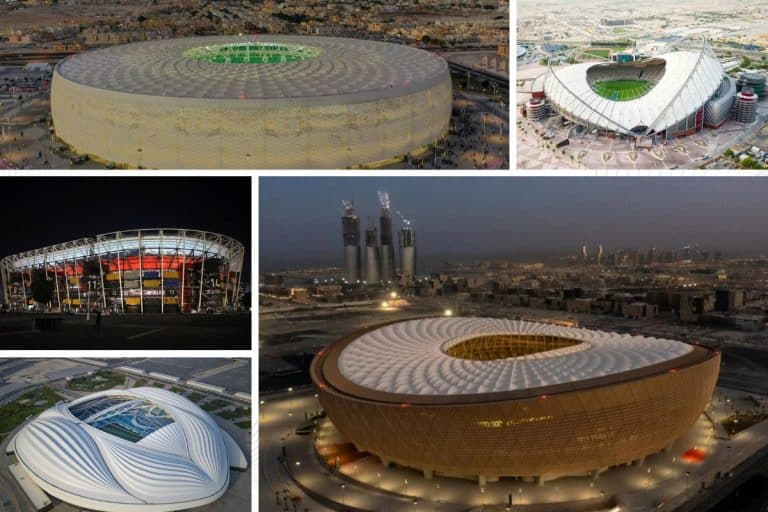
Qatar has developed eight stadiums for the duration of the World Cup, some built completely from scratch and some revamped.
These iconic stadiums have welcomed millions over the course of the month-long global sporting action. What is the future for these stadiums beyond the World Cup?
The matches have been held across eight stadiums. These include:
- Al Bayt Stadium, Al Khor
- Khalifa International Stadium, Al Rayyan
- Al Thumama Stadium, Al Khor
- Ahmad Bin Ali Stadium, Al Rayyan
- Lusail Stadium, Lusail
- Stadium 974, Doha
- Education City Stadium, Al Rayyan
- Al Janoub Stadium, Al Wakrah
Here’s a breakdown of each stadium and what will happen to it:
Stadium 974, Doha
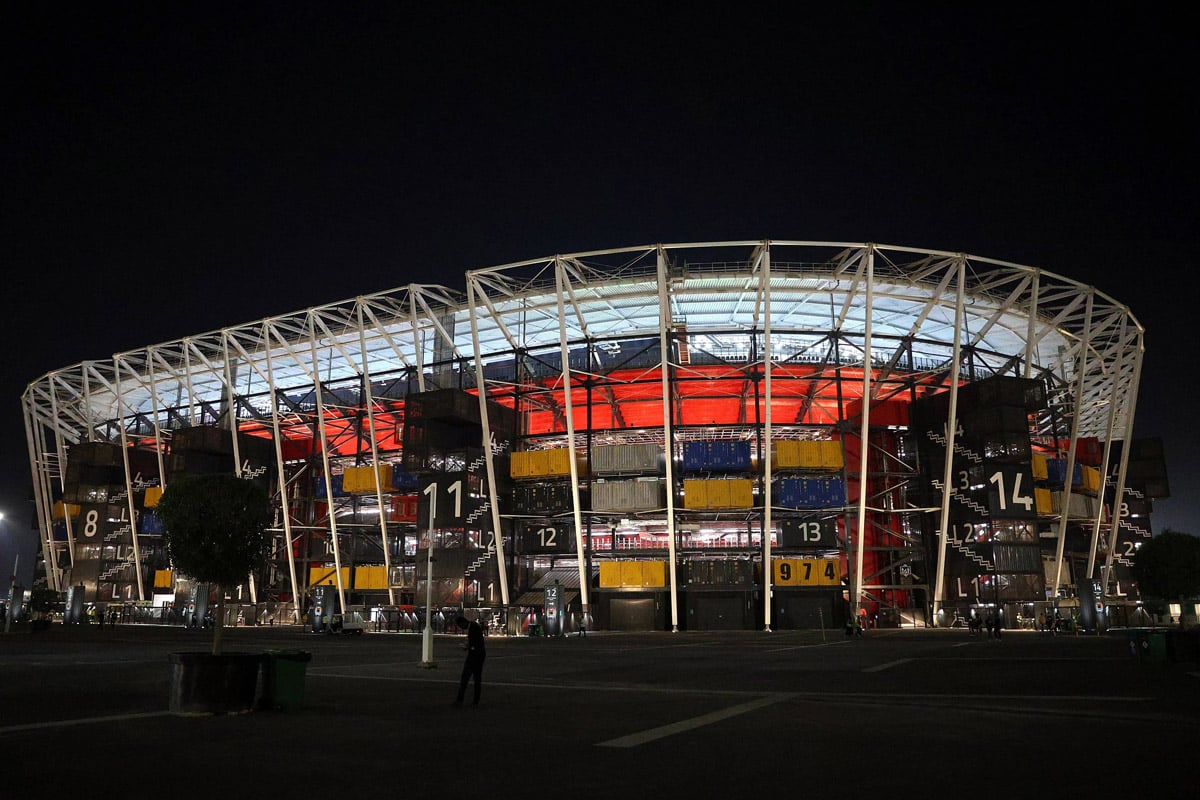
Stadium 974, built with 974 containers and symbolic of the country’s international dial code, is set to be dismantled after the World Cup. The stadium has a capacity of up to 44,089 and is located in Ras Abu Aboud, Doha.
The stadium is an ode to Qatar’s commitment to cost-effective sustainability and is the first fully demountable covered football stadium.
The dismantled stadium could be shipped to countries that need infrastructure, according to several reports.
Brazil and South Korea played the last World Cup match in the only non-air-conditioned stadium on Monday, December 5, after which ‘the containers and super-structure will be reused,’ the official website states.
Matches in this stadium have only been scheduled during evening hours when temperatures are comparatively cooler than the daytime, due to its lack of air-conditioning.
Al Bayt Stadium, Al Khor
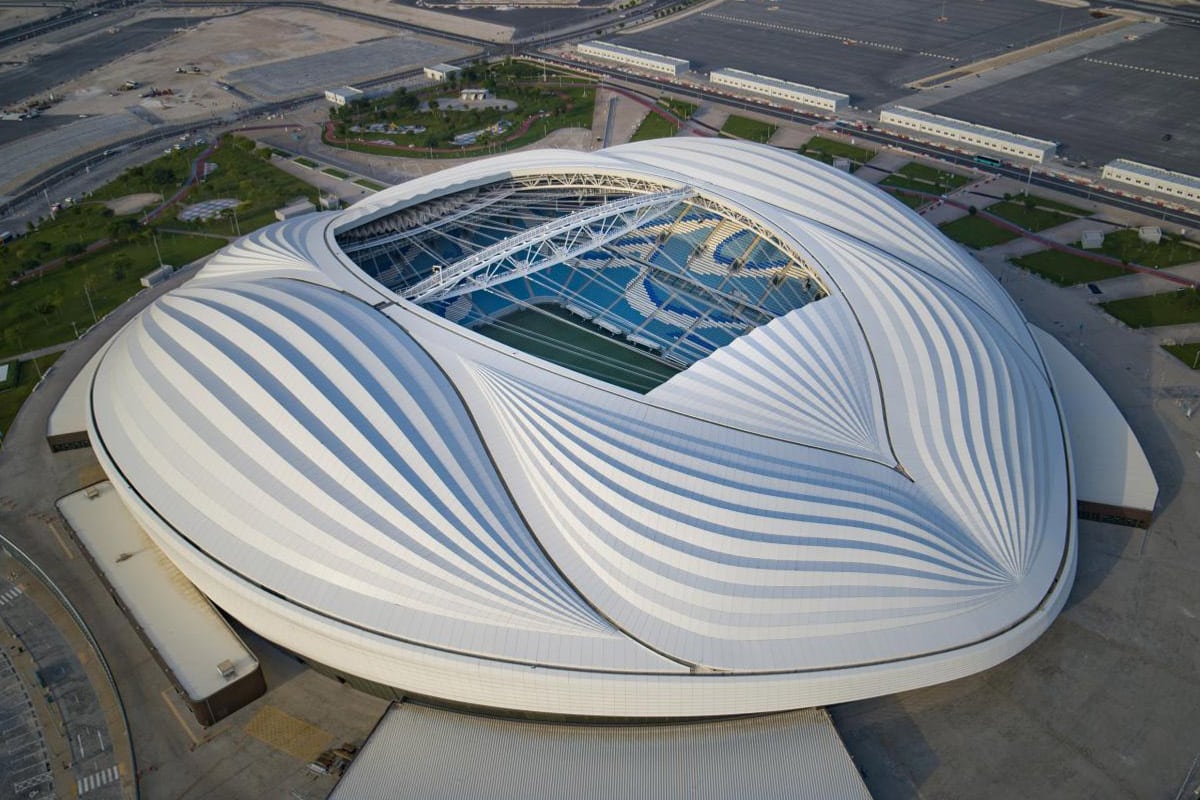
The stadium is a tent-like structure with a retractable roof, host of the opening match of the FIFA World Cup Qatar 2022 on November 20, played by Qatar and Ecuador. The stadium has a capacity of up to 68,895, located in Al Khor City. The stadium will also hold a quarter-final and semi-final game.
The tent is inspired by the bayt al sha’ar of Qatar’s nomadic people. Traditional exteriors with ultra-modern interiors with sustainability at the core best describes the stadium.
The upper tier of the stadium was designed to be removed after the tournament to allow recommissioning of seats to help build sporting infrastructure elsewhere, it is reported that a luxury hotel is in plans for the future of the stadium with suites, rooms and balcony views of the field.

Lusail Stadium, Lusail City
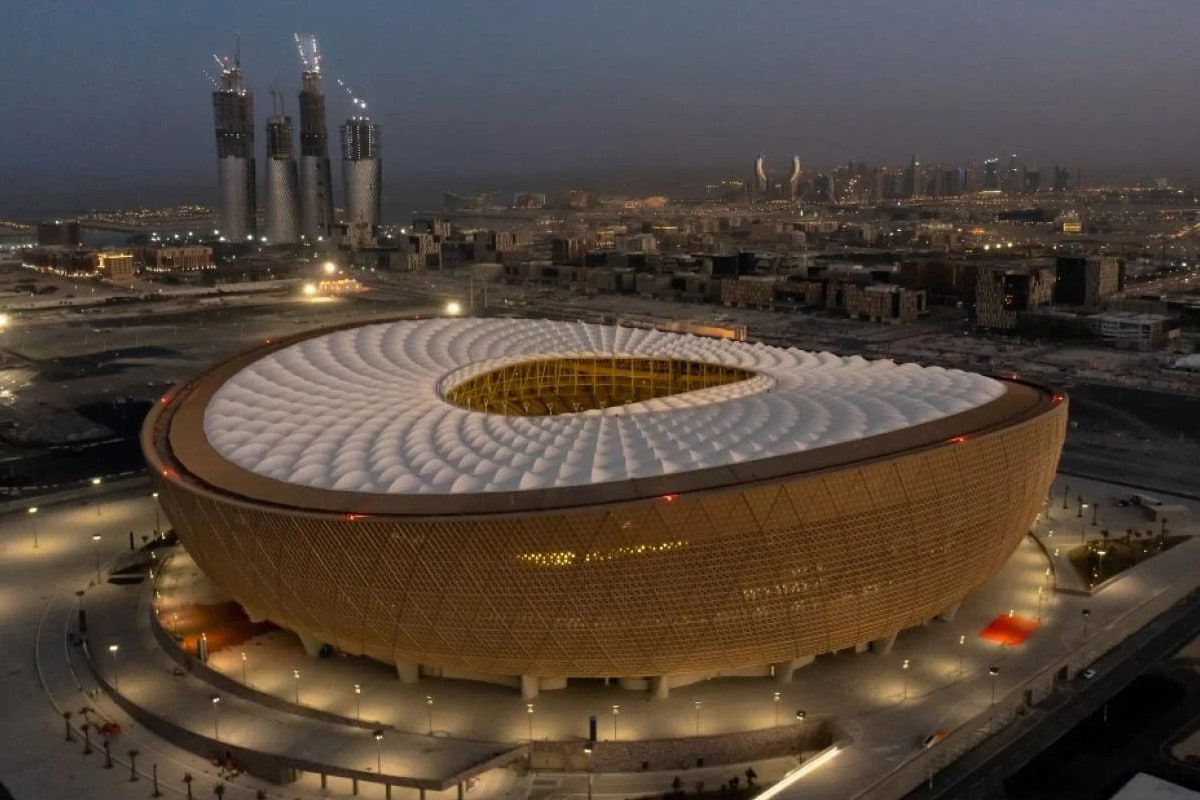
Considered to be one of the most iconic stadiums of the World Cup in Qatar, Lusail Stadium will also be host of the final match of the World Cup with a capacity to hold over 88,996 fans.
The stadium is the biggest among the eight and was one that already existed and was renovated for the tournament, claimed to have zero-carbon footprint, the stadium is cooled using solar energy.
After the World Cup, with Qatar’s dedication to sustainable development, the stadium will be reconfigured to a 40,000 capacity venue, other parts will be repurposed for cafes, shops, schools, sporting facilities, health clinics and more.
Ahmad Bin Ali Stadium
More popularly known as the Al-Rayyan Stadium, the venue is home to the famous Al Rayyan SC.
Ahmad Bin Ali Stadium was one that was renovated for the tournament. More than 80 percent of the construction materials came from the original stadium that previously occupied the same site.
The former stadium was built in 2003 and had a seating capacity of over 21,000, the new stadium has a seating capacity of over 45,000.

Al Thumama Stadium
The circular form stadium reflects the traditional woven cap worn by males in the Arab culture, the gahfiya. The stadium has a capacity of over 44,000.
Following the World Cup, the seat number will be reduced and used for sporting facilities elsewhere.
The stadium was first host to the match between Senegal and Netherlands on November 21.
It is reported that a boutique hotel will be built in the upper tier with views facing the pitch. Current cooling systems are powered by solar panels.

Al Janoub Stadium
Formerly Al-Wakrah stadium, now Al Janoub Stadium holds over 44,000 individuals. Located in the southern city of Al Wakrah, one of Qatar’s oldest inhabited areas, the stadium’s design was inspired by traditional dhow boats and a tribute to the fishing and pearl diving past.
The first World Cup match played at this venue was on November 22 between France and Australia.
Following the World Cup, the stadium capacity will be reduced with removed seats planned to be donated to sporting and leisure facilities and home the Al Wakrah SC football team.
Education City Stadium
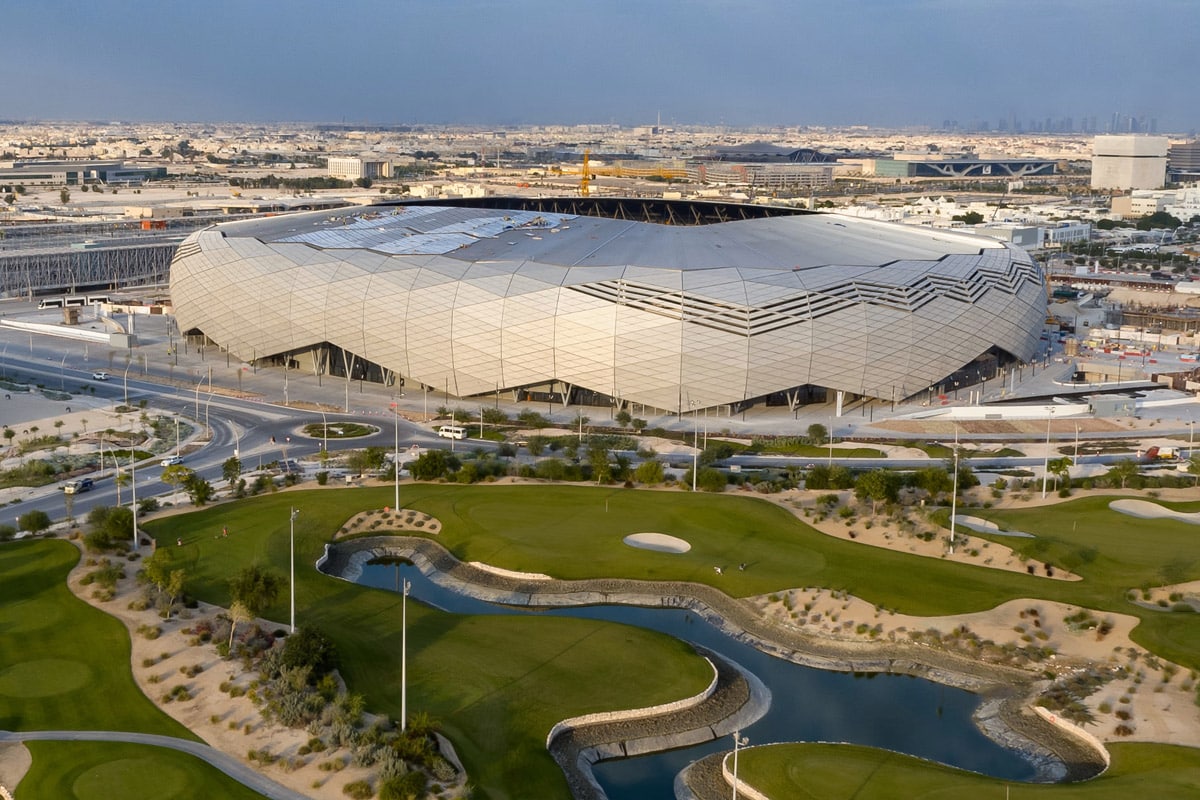
The Education City stadium was built for the World Cup, the stadium is located within multiple university campuses at the Qatar Foundation’s Education City. Informally called ‘diamond in the desert’ because of the exterior construct that have triangles that create geometrical patterns.
The stadium’s current capacity is 44,667, following the tournament, the stadium will retain a little over half of the seats for use by the universities and educational facilities.
Khalifa International Stadium
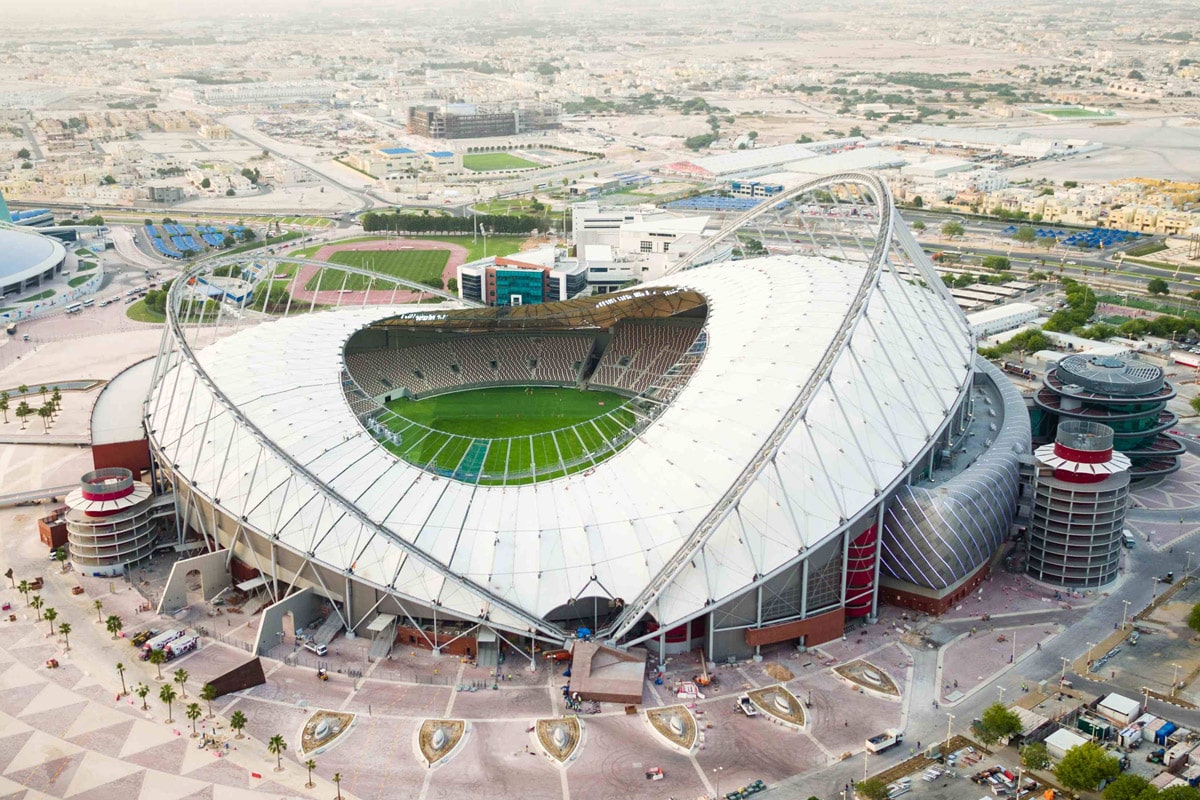
A multi-purpose stadium located in Al Rayyan, comprises a running track and pitch with a capacity of 45,857. The venue is one of the oldest and a part of Qatar’s history. Opened in 1976, the stadium has held numerous football and athletics events throughout its history.
The stadium was completely refit for the World Cup, after which it reopened in May 2017 and played host to the Amir Cup.
The dual arches of the stadium has always been its most recognisable feature, the new tier adds 12,000 seats and a modern revamp to the decades old structure.
The World Cup is running until December 18, Here’s a list of match timings and venues to keep track of your favourite teams and when and where they are due for kick off.
Follow us on

