


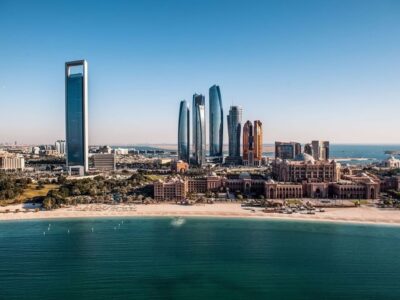
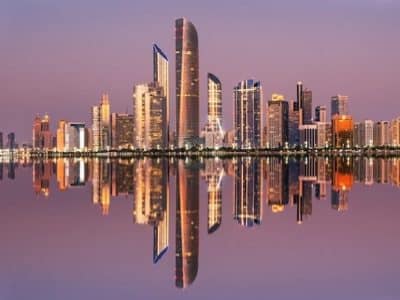


The Ras Al Khaimah’s property market is witnessing unprecedented momentum with an increasing number of buyers from Dubai and Abu Dhabi are choosing the emirate for its affordability, accessibility, and lifestyle appeal, industry players said.
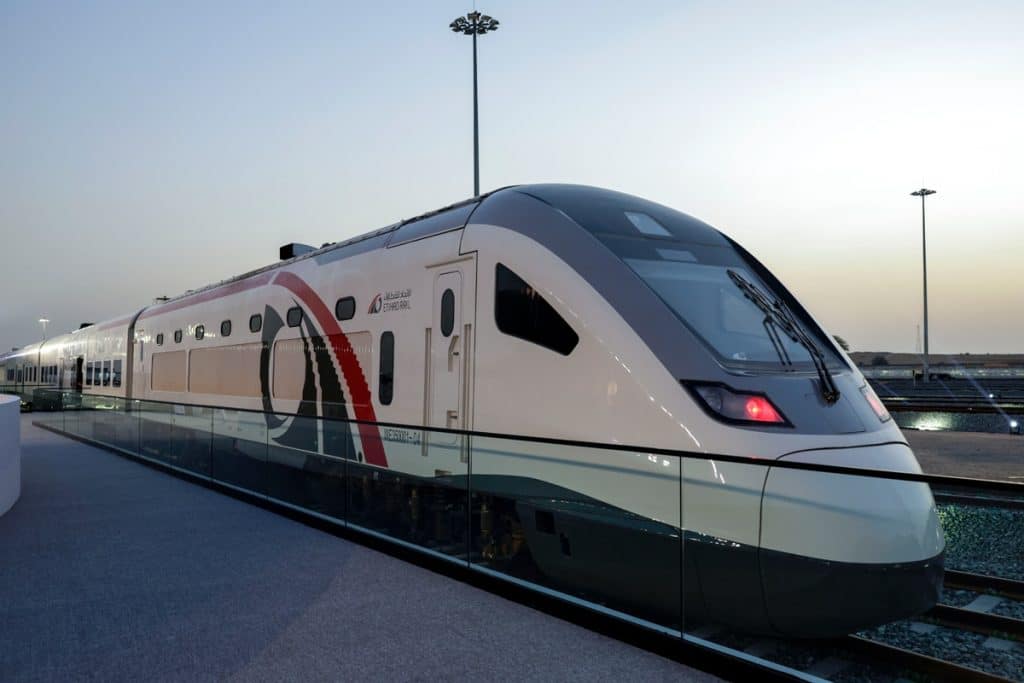
This trend is expected to intensify with the Etihad Rail connection and RAK International Airport expansion rolling out.
The spike in property demand is leading to several developers, including leading players such as BNW Developments finalising a strong pipeline of new project launches in the residential segment.
Industry insiders said the rush for new project launches is expected to lead to approximately 45,000–50,000 new residential units entering the emirate’s real estate market by 2030.
“With a strategic focus on economic diversification, infrastructure expansion, and investor-friendly policies, the emirate is witnessing unprecedented momentum [in real estate growth], Ankur Aggarwal, Chairman and Founder of BNW Developments, told Arabian Business.
“We expect Ras Al Khaimah’s real estate sector to remain on a strong upward trajectory through 2025, with further compounded growth over the next 2–4 years,” he said.
Aggarwal said BNW Developments has already launched four projects in the emirate and is poised to significantly increase that number in the near future.
Senior executives in other real estate companies also reiterated the rising demand and their plans for new launches.
RAK property market rapidly evolving into among UAE’s most promising investment frontiers
Sector experts said Ras Al Khaimah’s real estate market is rapidly evolving into one of the UAE’s most promising investment frontiers.
Steady capital appreciation, especially in the residential and hospitality segments, driven by large-scale infrastructure projects and a significant influx of population and tourism, are fuelling the growth, they said.
Aggarwal said the annual real estate transaction volumes in RAK are forecasted to continue their upward climb, potentially exceeding $5.45 billion (AED 20 billion) by 2026.
“The rising end-user demand, international investor confidence, and increasing yields will be the driving factors for this,” he said.
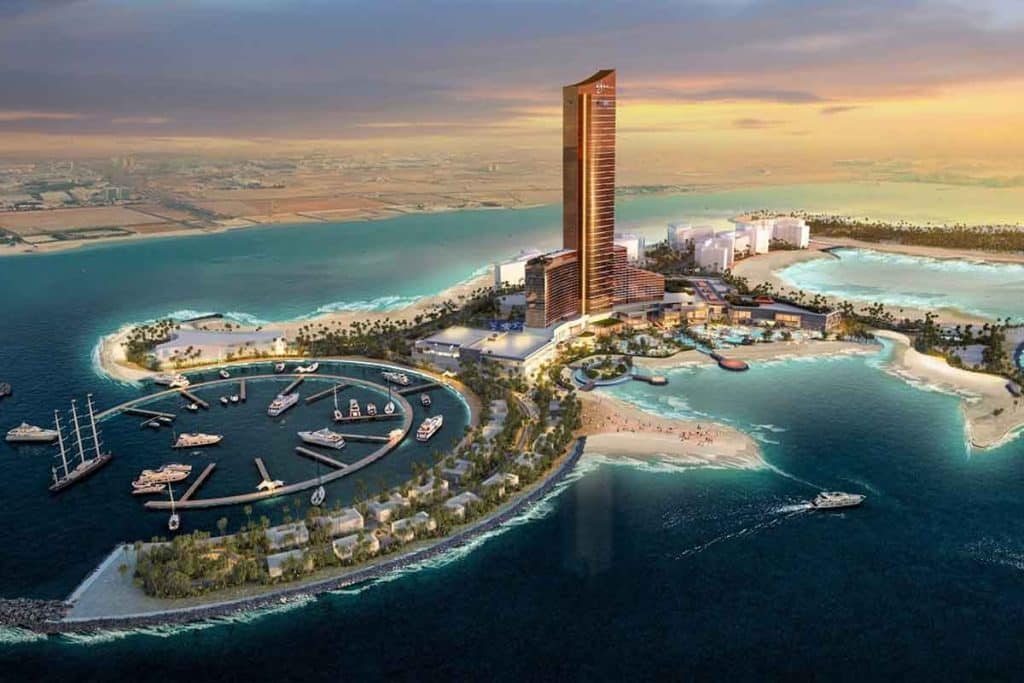
RAK anticipates welcoming over 5.5 million visitors by 2030, driven by developments like the multi-billion-dollar Wynn Al Marjan Island integrated resort.
The surging tourist arrivals are also projected to nearly double by 2027 the hotel capacity in the emirate, reaching over 15,000 keys, thereby increasing demand for both hospitality and residential real estate.
Industry insiders said the emirate’s growth is being powered by both established players and new entrants.
According to RAK Municipality and RAKEZ disclosures, current and upcoming real estate developments represent a combined investment of over AED 25 billion across residential, hospitality, and mixed-use projects over the next 3–5 years.
New developers entering the market include both regional players expanding their footprint and international developers leveraging RAK’s open-ownership model.
Industry players said the expected addition of 45,000–50,000 new residential units in the next four to five years from both existing and new projects will also be crucial in addressing the anticipated 60 percent population growth, as estimated by RAK Municipality.
RAK anticipates welcoming over 5.5 million visitors by 2030, driven by developments like the multi-billion-dollar Wynn Al Marjan Island integrated resort.
Hotel capacity is projected to nearly double by 2027, reaching over 15,000 keys, thereby increasing demand for both hospitality and residential real estate.
Flexible freehold options, post-handover payment plans of up to 24 months, and booking schemes starting at just 10–20 percent make real estate investment in RAK accessible and low-risk for global buyers, industry players said.
Surge in new developments catering to diverse lifestyle segments adding to demand spike
Industry players said a surge of new developments catering to diverse lifestyle segments is also aiding the uptick in RAK’s residential real estate, and also triggering a transformation in the emirate’s real estate landscape.
Upcoming projects such as Wynn Al Marjan Island – a $3.9 billion integrated resort featuring residential units – is also expected to catalyze demand for luxury waterfront living in the emirate, they said.
Mina Al Arab and Hayat Island are expanding with mid- to high-end residential communities designed for both residents and long-term investors.
Meanwhile, RAKEZ Live, a government-backed initiative, is promoting mixed-use developments aimed at professionals and SME employees relocating to the emirate.
Aggarwal said these initiatives seemed to be already paying off, with developers seeing a rising number of buyers from Dubai and Abu Dhabi in their residential projects.
They are choosing RAK for its affordability, accessibility, and lifestyle appeal, he said.
Upcoming expansions of RAK International Airport and the Etihad Railway are set to significantly enhance accessibility, further supporting real estate growth, he said.
“We are particularly keen to develop in the residential and luxury apartment segments, aligning with the lifestyle preferences of High Net Worth (HNI) investors and tourism-led buyers,” the BNW Developments top executive said.
He said the affordability and lifestyle factors are not only boosting accessibility but also lifting real estate valuations.
“In 2024 alone, villa prices rose by up to over 35 percent, and apartment prices by up to 33 percent.
“Rental rates for apartments also saw a surge of over 42 percent, highlighting the shift towards long-term residency and investor confidence,” Aggarwal said.
For investors, the current climate offers significant opportunities to capitalize on this transformative growth, he added.
Follow us on

