



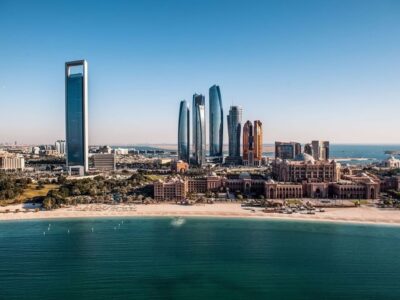


Foreigners eye lucrative opportunities in Saudi real estate as the Kingdom plans to lift property ownership restrictions, experts told Arabian Business, highlighting that the move will spark investor optimism but also exacerbate the house affordability issue.
“Relaxing foreign ownership laws will expand the potential pool of international investors in the Saudi real estate market,” said Mansoor Ahmed, Executive Director at Colliers MENA.
“This surge in demand from foreign buyers could lead to a rise in property sales, especially in sought-after locations like major cities and tourist destinations.”
Saudi Arabia’s 2021 mandate requiring foreign firms to establish local headquarters by the end of 2023 or risk losing out on lucrative government contracts has prompted an influx of expats. But the growing pains of this migration have become evident as the shortage of suitable accommodations has emerged as a major concern among new and incoming residents looking to settle in the Kingdom.
The Gulf country’s booming economy has piqued the interest of many foreigners looking for a lucrative investment opportunity or to simply buy a home instead of renting one.
“The influx of foreign companies and executives has created a pressing need to attract more foreign investment,” Jean Abboud, Partner (KSA) at BSA Legal, told Arabian Business.
In March, reports emerged citing the CEO of Saudi Arabia’s Real Estate General Authority (REGA), Abdullah Alhammad, stating that the Kingdom was planning new laws which will allow foreigners to buy property anywhere in the country, even in the holy cities of Mecca and Medina.
The new law will enable non-Saudi residents to own real estate of all kinds, be it commercial, residential, and agricultural, under certain regulations which have not been made clear yet.
“The proposed changes will not only boost the real estate market in Saudi Arabia, but potentially initiate a freehold boom in the Middle East,” Abboud added.
“It will significantly increase the potential for foreign investment in line with the Kingdom’s ambitious real estate development plans under Vision 2030. Analysts forecast a surge in demand and a more balanced sector, which will moderate real estate prices.”

Saudi foreign ownership regulations
The present regulations in Saudi Arabia, namely the Council of Ministers Resolution No. 89, provide specific allowances yet impose restrictions on foreign real estate ownership.
Foreigners and entities are allowed to own properties required for their professional or economic activities, but obtaining approval from the Ministry of Investment is mandatory.
Similarly, non-Saudi residents can own residential real estate, provided they acquire a license from the Ministry of Interior. However, foreign ownership has been hindered by the time-consuming approval process, among other legal restrictions.
Ownership of real estate in Mecca and Medina, as of yet, is restricted to Saudis only, with the exception of inheritance cases. Streamlining the approval process and revisiting some of the limitations could potentially encourage more foreign investment in the country’s real estate market.
Foreigners looking to buy property must also have a residency visa (Iqama), live in the property itself (investment properties are not allowed), and they are required to sell the property upon leaving the country or cancellation of the Iqama.
“The timing is apt for Saudi Arabia to ease its restrictions on foreign ownership,” Abboud added.

“The country is witnessing a strategic transformation under Vision 2030, which aims to diversify its economy.”
“This evolving legal landscape presents a compelling opportunity for investors looking toward the Middle East market. It’s crucial to stay updated with these developments as we anticipate more detailed information about the final form of the new law.”
‘Double-edged sword’ for foreigners
“Recent discussions about potentially allowing foreign ownership of real estate in the Kingdom hold the promise of significant implications for the real estate market. If this change were to happen, two sizable sub-markets are expected to emerge,” Harmen De Jong, Partner, Real Estate and Strategy Consulting – KSA, at real estate consultancy Knight Frank, told Arabian Business.
“The first comprises non-resident buyers, particularly from countries such as Egypt, Turkey, Malaysia, and Indonesia, who express strong interest in acquiring property in the holy cities of Mecca and Medina. The second sub-market would consist of expats, mainly residing in Riyadh and Jeddah, though to a lesser extent.”

Although this will initially attract foreign capital and create additional demand, it is likely to eventually inflate property prices – similar to situations experienced in other markets once they opened up to foreigners. Despite the influx of potential buyers, De Jong said that it is important to “temper expectations” regarding the overall impact on the country’s property sector.
“Considering the upward trajectory of prices in Riyadh and the relatively small share of total demand that foreign buyers may initially comprise, the effects of this change are expected to be more subdued compared to when Dubai opened up its property market for foreigners,” he explained.
“As Saudi Arabia grapples with housing affordability issues for local families, opening up foreign ownership might initially exacerbate the situation. However, in the longer term, once the government-led residential supply is delivered, the additional source of demand from foreign buyers could prove beneficial for the market.”
“While foreign investment can benefit the overall real estate market, it may also affect housing affordability. If the influx of foreign buyers disproportionately raises prices, it could make housing less affordable for local residents, especially in high-demand areas,” said Ahmed.

Rise of more diversified Saudi property market
Since foreign buyer segments will most likely have smaller household sizes, De Jong believes they will demand smaller unit types compared to what Saudi households would typically prefer. This shift in demand could, in turn, lead to a diversification of property offerings with more innovation and compact housing solutions.
“The entry of foreign investors can bring diversity to the real estate market,” said Mariam Mahmooth, Senior Director, Development Solutions, at Colliers MENA.
“Different types of developments, property styles, and price points may be introduced to cater to international preferences, thus expanding the market’s offerings.”
Follow us on

