



The UAE property market continued its strong upward trajectory in Q3 2025, driven by resilient economic fundamentals, heightened investor confidence and one of the world’s most active development pipelines.
New data from Colliers shows that Dubai, Abu Dhabi, Al Ain and the Northern Emirates all recorded notable gains across residential and office sectors, supported by rising demand, expanding supply and sustained price growth in the UAE.
Colliers’ Q3 2025 UAE Real Estate Market Report indicates continued strength across the residential, office and mixed-use sectors.
Abu Dhabi remained on a stable long-term growth path supported by rising demand and infrastructure investment, while Dubai maintained unprecedented expansion with multiple projects underway.
The UAE report tracks supply, demand and pricing trends across Abu Dhabi, Dubai, Al Ain and the Northern Emirates.
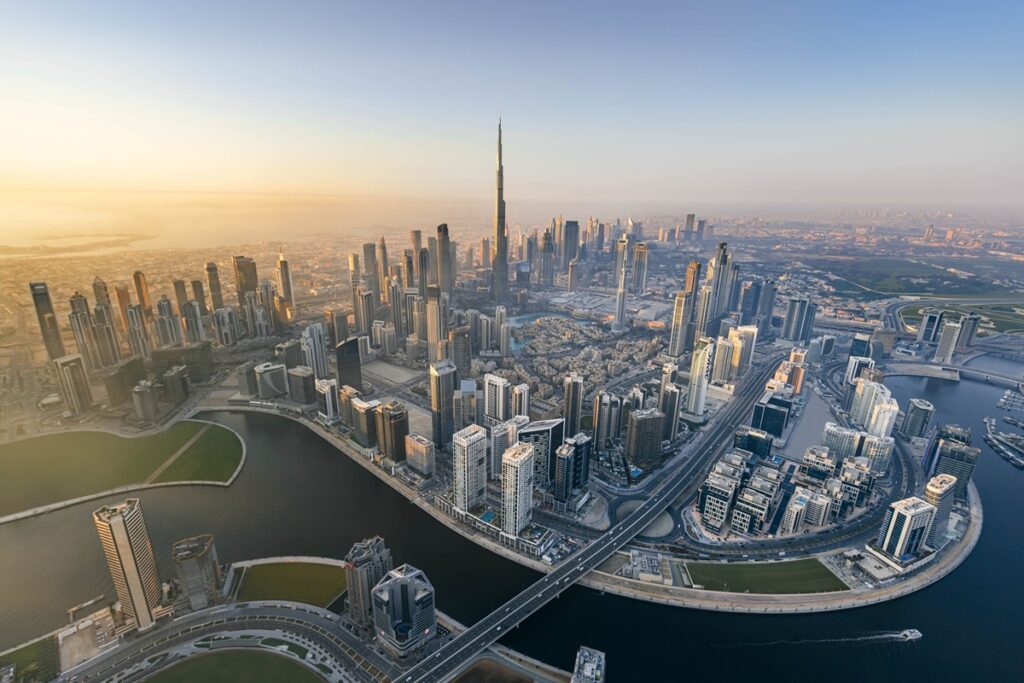
Dubai: Resilient demand, rising rents and strong office activity
Dubai delivered 8,100 apartments and 1,650 villas in Q3 2025, reflecting a moderation in villa handovers compared with Q2.
Around 34,000 units were launched during the quarter—an easing from the highly active first half of the year but signalling a sustainable pipeline.
Office activity strengthened, with more than 2 million square feet of new office space announced, led by Business Bay.
The rental market moved into a more balanced phase.
- Apartment rents rose 2 per cent quarter-on-quarter and 5 per cent annually
- Villa rents increased 2 per cent quarterly and 7 per cent annually
Landlords in new developments remained competitive on pricing to support take-up.
Sales prices continued their upward trend:
- Apartment prices rose 3 per cent in Q3 and 13 per cent annually
- Villa prices increased 4 per cent in Q3 and 14 per cent year-on-year
Off-plan sales dominated the market, supported by flexible payment plans, government initiatives and the First-Time Home Buyer Programme, launched in July 2025, which offers preferential pricing and tailored mortgages for units up to AED 5 million, along with instalment options for DLD fees. Tokenisation and REIT expansion continued to broaden investor participation.
Dubai’s office sector posted notable rental gains. Major UAE districts including Business Bay, DIFC, JLT, Sheikh Zayed Road, Bur Dubai and Barsha Heights recorded quarterly rent increases of 3 per cent to 7 per cent, with annual growth ranging from 14 per cent to 32 per cent.
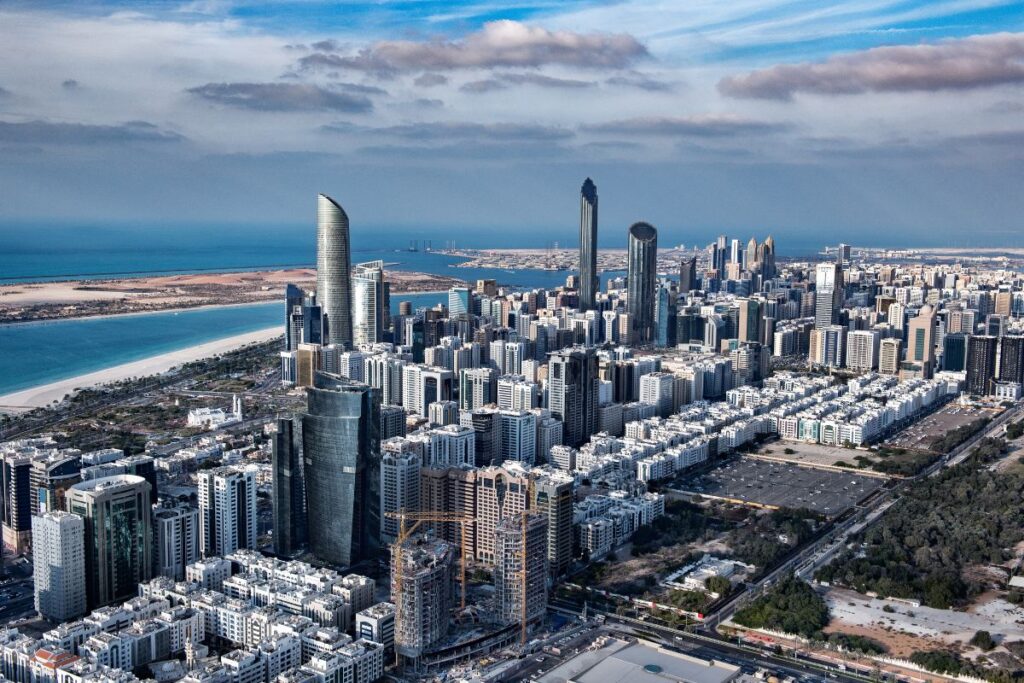
Abu Dhabi: Record sales and strong rental growth
Abu Dhabi maintained strong momentum with approximately 1,400 residential units handed over in Q3 across Yas Island, Jubail Island and Al Raha Beach.
Major new announcements included a Masdar City residential community by Taraf and Masdar, Four Seasons Private Residences on Saadiyat Island and Fahid Beach Terraces on Fahid Island.
Thirteen additional communities recently announced by the local housing authority will deliver 40,000 homes and plots, including six communities totalling over 14,000 units.
Rental growth remained robust:
- Apartment rents increased 5 per cent quarter-on-quarter and 16 per cent annually
- Mid- and low-end segments saw 10 per cent to 30 per cent annual rises
- Prime and high-end apartment rents rose 5 per cent to 11 per cent quarterly and 11 per cent to 25 per cent annually
- Villa rents grew 2 per cent to 11 per cent over Q3 and 3 per cent to 18 per cent annually
Sales activity reached unprecedented levels, with nearly 6,500 residential transactions recorded—up 233 per cent quarterly and 175 per cent annually.
Off-plan sales exceeded 4,000 apartments and 885 villas and townhouses, while over 1,500 completed units were sold, marking a 10 per cent quarterly and 32 per cent annual increase.
Prices also strengthened:
- Apartment prices grew 8 per cent quarter-on-quarter and up to 28 per cent year-on-year
- Villa prices rose 7 per cent in Q3 and 25 per cent annually
The office sector remained exceptionally strong, supported by corporate relocations and limited premium supply. Al Maryah Island maintained near full occupancy, with fitted Category A rents exceeding AED3,000 ($) per square metre, while micro-offices surpassed AED4,500 ($) per square metre, underscoring robust demand for flexible formats.
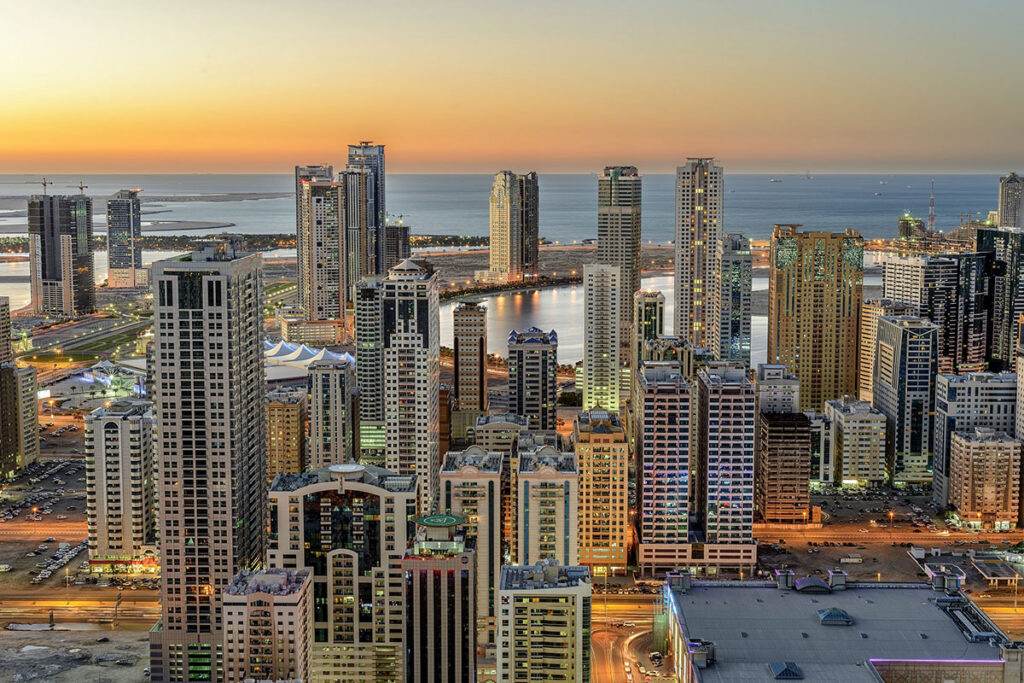
Northern Emirates and Al Ain: Strong launches and steady rental gains
The Northern Emirates recorded approximately 13,000 new residential units announced in Q3, including 6,600 in Ras Al Khaimah, 5,300 in Sharjah, and 700 in Umm Al Quwain.
Key launches included Al Hamra Greens and Miraggio on Al Marjan Island in RAK, and Masaar 3 by Arada in Sharjah.
Rental performance remained positive:
- Average apartment rents rose 3 per cent quarter-on-quarter and 12 per cent annually.
- Sharjah and RAK led quarterly growth at 4 per cent, followed by Ajman at 2 per cent.
Sharjah’s rental market is stabilising following the introduction of the Sharjah Rental Index, while communities such as Maryam Island, Masaar and Aljada continue to command higher rents.
Sales activity strengthened as well:
- RAK apartment prices rose 4 per cent quarterly and 18 per cent annually.
- Sharjah prices increased 3 per cent quarterly and 12 per cent annually.
RAK’s transformation continues under the RAK Vision 2030 framework, with population projected to rise from 400,000 to 650,000 by 2030 and new branded developments and the activation of the three-million-square-foot RAK Central district enhancing investment appeal.
Al Ain also experienced a steady upward trend. New leasing contracts were around 5 per cent higher than previous agreements.
Apartment rents rose up to 9 per cent annually, while villa rents increased around 3 per cent year-on-year.
Retail leasing, especially in F&B, continued to expand, and the Al Wadi Commercial Complex—scheduled for Q1 2026—will further broaden the retail offering. Five new local housing projects totalling approximately 10,500 units were announced, reflecting a robust development pipeline.
Follow us on

