





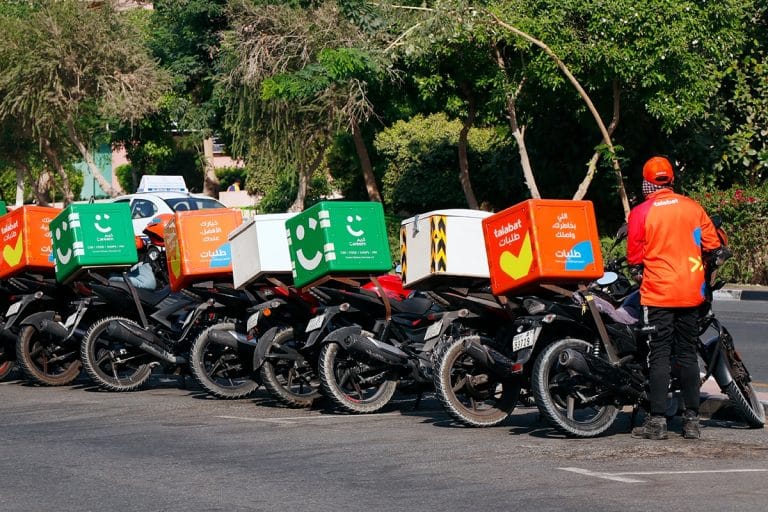
The quick retail market in the GCC is predicted to skyrocket to $15 billion over the next five years from the estimated $4 billion currently amidst leading players such as Noon, Careem, Talabat and fast-delivery super apps shifting gears to rapidly increase wallet shares from the earlier consumer acquisition phase, industry experts and latest research said.
The rising trend of delivery platforms focusing more on subscription-based programmes and promotions is another big lever to pull in mega bucks for market players.
The sector is also expected to see players increasingly shifting their business models to embrace multi-verticality – i.e. food platforms providing quick grocery, other products and vice versa to notch up large volumes – and also revenues. Delivery within an hour is referred to as the quick retail market.
“The quick delivery market is increasing rapidly, growing two times that of online retail. We expect this market to cross $15 billion by 2030,” the latest market research by RedSeer, a global consultancy specialising in online services, said.
Sandeep Ganediwalla, Dubai-based Partner at RedSeer said the current penetration of quick retail within online retail is similar to the penetration of online retail within the total retail market a few years ago.
“Quick retail already accounts for 10 per cent of online retail, and is expected to go several notches up in the next few years,” Ganediwalla told Arabian Business.
Grocery items currently dominate the quick retail sector.
Market poised for big surge as consumers increasingly getting hooked to convenience
Industry players said the fast-delivery market is poised for a big surge in the GCC region as consumers are increasingly getting hooked to the convenience of ordering online for food, groceries and other products, and are willing to pay for it. There is significant growth in the market still, they said.
“We expect the anatomy of growth to be different going forward – earlier it was driven by consumer acquisitions, but now we expect growth to be driven by share of wallet increase,” a senior executive with a Dubai-based company which operates a super app in the quick delivery segment said.
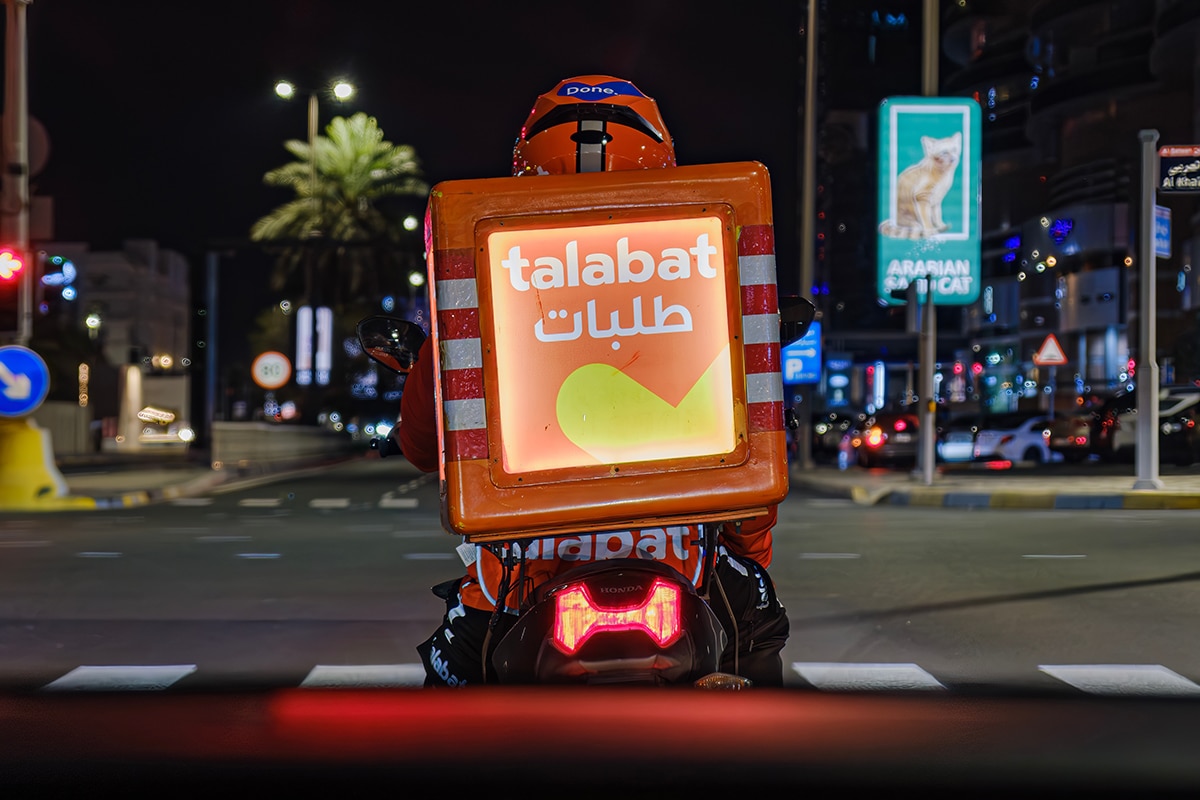
The executive, who preferred to remain anonymous as he is not authorised to speak to the media, said what makes hyperlocals in the region special is the positive unit economics based on favourable logistics cost, high volume and large order value.
Sector experts said they expect the current dominance of multi-functionality super apps such as Noon, Careem and Talabat to continue in the coming months and years as existing players focus on increasing their share of wallet and retaining consumers.
RedSeer said the huge growth prospects in the quick delivery market is expected to attract several new players into the region.
“We are already seeing players such as Keeta entering the food delivery space in GCC, and we expect a long tail of players to enter quick retail going forward,” the research said.
GCC quick retail see influx of new players, existing players getting on the bandwagon
Industry experts said besides the expected influx of new players, the market will also see existing retail players getting on the bandwagon by starting to offer quick deliveries as logistics capability to deliver quickly increases and customers increasingly demand quickly.
The market is already seeing this trend in grocery where the majority of the online grocery is now quick, they said.
RedSeer said it expects to see players in categories such as electronics, fashion, beauty, and gifts to start offering quick deliveries soon.
“We are increasingly seeing consumers in GCC being sensitive to the speed of deliveries for their online orders. I expect delivery speed to be a differentiator with quick deliveries becoming increasingly prominent,” Ganediwalla said.

The RedSeer Partner said consumers in GCC have a penchant to surprise sector experts and market players by how quickly they adopt new models.
“For example, in 2019, we expected GCC online retail to reach $20 billion by 2023. However, online retail was more than $35 billion in 2023. I would not be surprised if we see something similar for quick retail. We expect quick retail to cross $15 billion by 2030, but in the right circumstances, it could easily cross $20 billion,” he said.
Ganediwalla said the fast-delivery market is quickly moving towards two extremes – on one hand, there are super apps (or multi-vertical apps) that provide a portfolio of services, while on the other hand there are single-vertical focused e-tailers.
“We believe, both these players will move towards providing quick deliveries soon, if not already done,” he said.
Follow us on

