


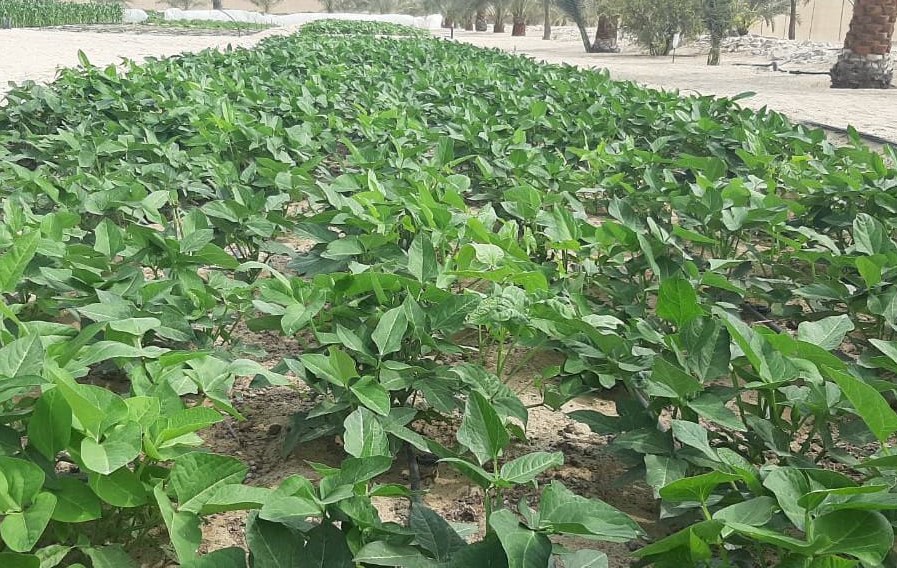
In a region where water is scarce, Dubai-based Dake Rechsand has developed a technology called breathable sand, which creates arable land in the desert, using up to 80 percent less water than conventional methods for irrigation.
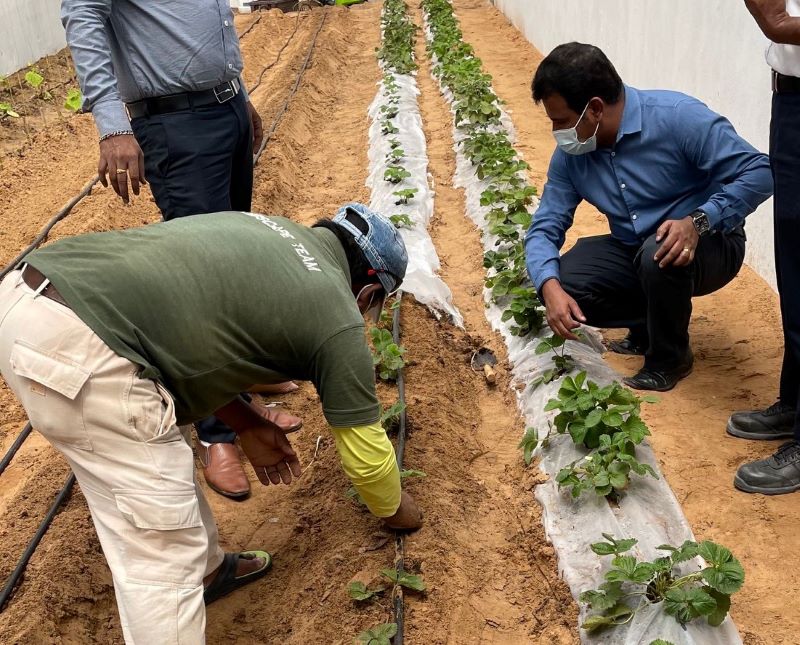
Rechsand’s “breathable” sand retains water for a much longer duration than the kind found in the desert and also allows air to circulate around the plant roots, meaning less water usage and therefore increased sustainability.
“This technology can transform the way vegetation is grown in the desert in a sustainable way. A lot of water is being used to maintain UAE’s plants but with our technology the same amount of water can be used to plant ten times more vegetation, which would increase the green cover in the desert in a sustainable way,” Chandra Dake, CEO and founder of Dake Rechsand, told Arabian Business.

Breathable sand has further implications for food security, with Dake saying the technology is also being used to plant mangos, lemons, tomatoes and pulses in Abu Dhabi’s Al Ajban farms.
“In terms of food security, we bridge the gap between arable and desert. We want to promote a lot of food security initiatives and would like to see this region as an organic-food powerhouse in line with the initiatives the governments has been promoting,” said Dake.
The breathable sand is manufactured in Beijing, where the technology was first developed, and imported to the UAE where it is distributed across the GCC to Saudi Arabia, Bahrain and Qatar. But down the line, Dake said the company is looking at having a manufacturing hub in the UAE.
“The UAE is our global headquarters and we service the market from here. The technology has been around for a while, but it was not well exposed and so this is why we launched it in the UAE towards the end of 2020 with the goal of promoting it across the region,” explained Dake.
Coronavirus understandably slowed down the adoption of the breathable sand in the company’s early days in the UAE, but the technology has since gained momentum raising interest from investors and entrepreneurs who are “keen to use our technology for food production”, said Dake.
Within the UAE, the Ministry of Education has promoted the application of breathable sand in multiple schools; while the Ras Al Khaimah Municipality has agreed to plant 1,000 trees using the technology, in the first phase of a project it is undertaking.
Dake is also the technology and implementation partner for tree plantation drives launched by Jebel Ali Resorts and Nakheel.
The breathable sand can also be used to collect rainwater that falls on any surface, including roads and paved areas, to create a “decentralised rainwater harvesting network, which can result in an untapped new source of potable water”, explained Dake.
“A country like the UAE does not have a centralised draining facility for rainwater because it rarely rains and when it does, it goes straight down into the sand,” he said.
“However, with the limited rain we have, we can have decentralised storage facilities in every corner to harvest rainwater, which can then be used for irrigation in the area. This can solve flooding issues while harvesting the potential of cloud seeding, creating a water source to harvest the area,” continued Dake.
The breathable sand’s cost is offset by the amount of water it saves and by its sustainability attributes, said Dake.
“The amount of water saved by one big tree, using our sand, is 3,000 gallons annually and that itself is enough to pay for the cost of it. For a mango tree that costs AED1,000, for example, spending another AED200 is not that much of a hurdle considering the sustainability advantage,” he added.
Follow us on

