




The UAE accelerated a wide-ranging infrastructure push in 2025, rolling out major transport, utilities and urban development projects designed to keep pace with economic expansion while improving daily life for residents across the country.
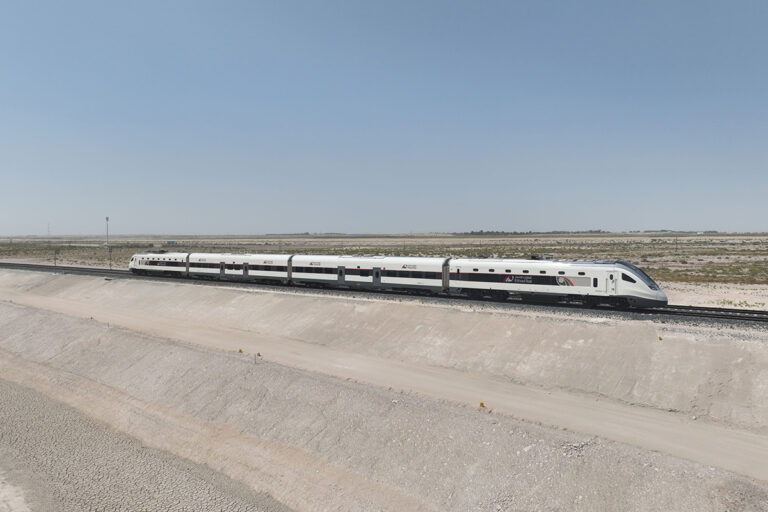
A centrepiece of the year’s announcements was a high-speed rail link between Abu Dhabi and Dubai, set to cut travel time between the two cities to around 30 minutes, with trains operating at speeds of up to 350 kilometres per hour. The project is expected to deliver an economic contribution of more than AED145 billion over the next 50 years, underlining its long-term strategic importance.
At the federal level, the UAE Government Annual Meetings revealed national road development programmes valued at more than AED170 billion through to 2030. These initiatives aim to improve traffic flow, enhance safety and strengthen connectivity between the emirates.
Nationwide projects drive connectivity and growth
Abu Dhabi continued to expand its infrastructure pipeline, with the Abu Dhabi Projects and Infrastructure Centre signing public-private partnership contracts worth AED22 billion during 2025. More than 600 PPP projects were under development by October, reflecting the emirate’s growing reliance on private-sector collaboration to deliver large-scale assets.
Dubai advanced several headline transport projects, including the AED1.5 billion redevelopment of Al Fay Street and new access points to Dubai Islands via a 1,425-metre bridge from Bur Dubai.
Work also progressed on the Tasreef stormwater drainage system, costing AED1.439 billion, alongside the 30-kilometre Dubai Metro Blue Line, which will add 14 stations and serve around one million people. Additional power infrastructure projects worth AED7.6 billion were also announced.
Other emirates moved forward with their own upgrades. Sharjah inaugurated new canals, power stations, water pipelines and road projects, while Ajman launched the Sheikh Zayed Street development in Al Helio. In Umm Al Qaiwain, work began on a AED750 million upgrade of Emirates Road, expected to cut journey times by up to 45 per cent.
Ras Al Khaimah expanded aviation infrastructure with plans for a VIP terminal and private aircraft hangars, while Fujairah saw the start of a new phase of internal road works and the entry into operation of a 2.4-gigawatt independent power plant.
Together, the projects highlight how infrastructure investment remains central to the UAE’s growth strategy, supporting mobility, economic competitiveness and quality of life across all seven emirates.
Follow us on

