


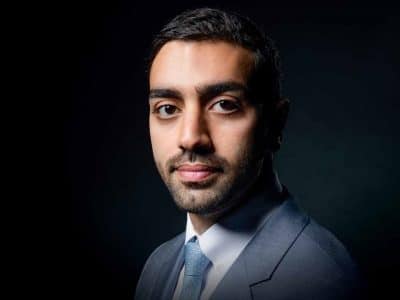


Abu Dhabi government owned Al Hilal Bank plans to expand its credit and retail business in the UAE as high oil prices fuel growth in the Arab world’s second largest economy, the bank’s CEO said.
Speaking in an interview with Reuters on Tuesday, Mohamed Berro said the Islamic lender is also keen to expand in former Soviet markets after it opens the region’s first Islamic bank in Kazakhstan this April.
Hilal was launched in June 2008 before the global financial crisis swept the Gulf Arab region and has 14 branches in the UAE.
Berro said: “We contributed 20 percent to net growth of credit in the UAE last year, the equivalent of 80 percent of net growth of Islamic banks’ credit in the country.”
He added: “That would continue this year. We expect at least the same levels of credit growth.”
Most banks in the UAE have tightened lending due to tight liquidity and higher cost of funds with credit growth slowing.
The bank plans to add at least six new branches in the UAE this year as the economy continues to grow.
He said: “Oil prices are still holding up, we didn’t have the problems of the West. We are running a period of tight liquidity, debt restructuring, but our core economy is sound.”
Oil broke a five day rally on Tuesday but still hovers around $80 a barrel.
The global credit crunch and the slowing of economies in key Islamic financial centres are putting pressure on the $1 trillion Islamic finance industry, its biggest test since it began 30 years ago.
Al Hilal plans to open a new Islamic bank in Kazakhstan by April after delaying its original December start date as it awaits final clearances.
Initially the Al Hilal Islamic Bank Kazakhstan will start with two branches, one in Almaty and one in Astana.
Kazakhstan is central Asia’s biggest economy and oil and mining are its key industries.
Without elaborating, Berro said: “Kazakhstan is our first entry into that region with a high Muslim population. It is a huge opportunity and we will look at neighbouring markets there.”
Al Hilal is on track to make a profit this year, he added.
Islamic banks in particular are looking to tap booming demand from the world’s 1.3 billion Muslims for investments that comply with their beliefs.
Islam bans interest, investing in prohibited sectors such as gambling, pornography and alcohol and stipulates that risk and reward be shared among all those in the business venture.
The bank is fully owned by the Abu Dhabi Investment Council (ADIC), an investment unit of the Abu Dhabi government. (Reuters)
Follow us on

