





Gulf economies have switched gears in the post-pandemic race to attract foreign investment. Already awash with liquidity, the region is increasingly attracting the attention of global asset managers. However, for some investors, the risks are proving to be a persistent distraction from the potential rewards.
If truth is the first casualty of war, it seems that trust has been the first casualty of this pandemic.
This trust deficit is rapidly reshaping our everyday lives as well as the investment landscape.
[node:story_0]
It feels like we are being bombarded by scams every time we open our laptops. Phishing emails are constantly probing for our account details. We must contact our bank urgently or our account will be closed, our inbox messages exclaim in block capitals. The courier company needs an extra delivery charge paid. The list goes on.
While the pandemic has provided fertile ground for the proliferation of such deceptions, they are by no means confined to the retail space. A number of corporate scandals across the region highlight how investors can also have their pockets picked in a far more sophisticated way.
Indeed, investor trust in this region is lower than in most other parts of the world.
The findings of CFA Institute’s recently published survey, ‘Covid 19: One Year Later’ reveal that the biggest worry for UAE investors this past year has been the risk of fraud or the potential for market manipulation in retail markets — flagged by 44 percent of respondents. More than half of the UAE respondents said they were worried about the risk of unethical actions by investment and financial professionals against the interest of investors.
This is why asset managers must wake up to the crucial importance of ethics and transparency when reporting performance if they are to complete for fund flows in the new regional order.
The survey highlights the particular concerns of investors in this market and reflects a broad disenchantment with standards of corporate governance. Yet even in regulatory environments where such standards are absent or lacking, there are tools available to asset managers to ensure their numbers are transparent, ethical and measurable in the same way — whether they are sitting in Dubai, London or New York.
 The rise of ESG investment and a greater focus on corporate governance means that asset managers must work harder to win business.
In light of these concerns, we note that the regulatory community in the Middle East has focused on tackling the issue of corporate governance. The Union of Arab Securities Authorities (UASA) recently released guidelines to achieve convergence between union members on issuance and listing rules, disclosure, insider trading and governance. There is already recognition that robust governance and ethical practices in the corporate and financial world are key components to creating a virtuous circle of trust between companies in need of capital and investment firms willing to invest in the region. Ultimately, a positive development on this front will work to the benefit and in the interest of investors.
There was a time in the recent past when oil was the only driver of capital flows in and out of the hydrocarbon-exporting Gulf states. That time is fading fast.
Oil is no longer the big draw that it once was. Investor mandates are also changing rapidly. The rise of ESG investment and a greater focus on corporate governance means that asset managers must work harder to win business. The pitch must be cemented in transparency and trust.
For money managers with numbers to hide, there is no longer anywhere to hide.
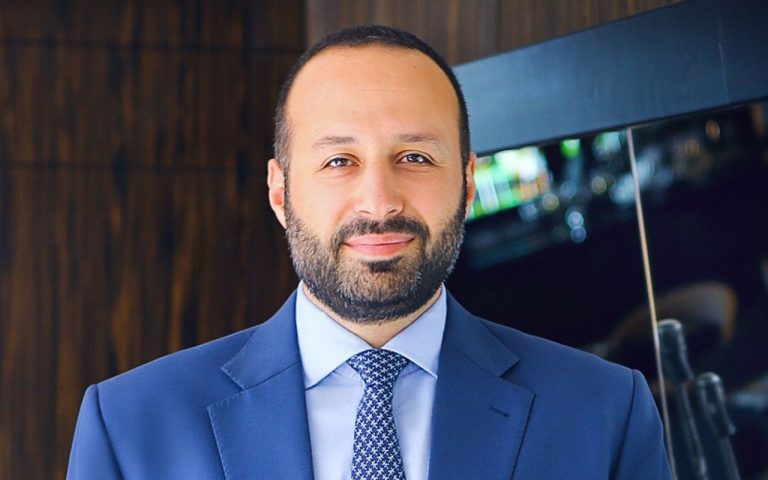
William Tohmé, CFA, Senior Regional Head, CFA Institute, Middle East and North Africa.
Follow us on

