



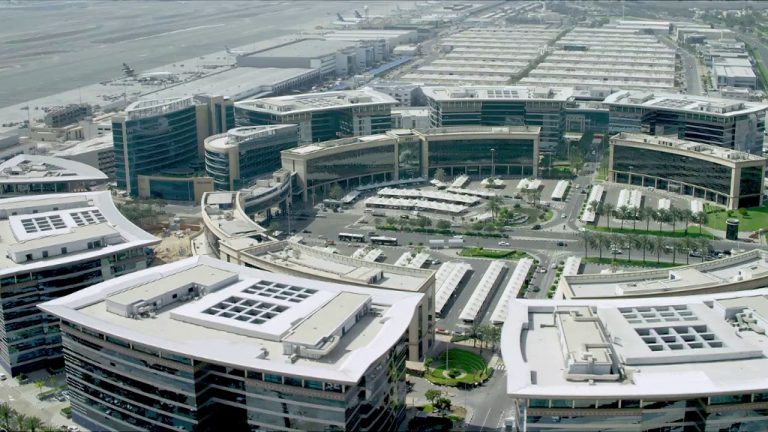
Dubai Airport Freezone Authority (DAFZA) on Wednesday announced that its foreign non-oil trade reached more than AED119 billion ($32.3 billion) in 2020.
The free zone contributed 10 percent to Dubai’s non-oil foreign trade and 25 percent to the total trade in free zones in the emirate.
It said the figures confirm the free zone’s capability in overcoming the challenges and consequences of the coronavirus pandemic.
DAFZA’s trade witnessed growth compared to the same period last year during the third and fourth quarters in 2020 by 36.4 percent and 23 percent, respectively.
The free zone also achieved a trade surplus of AED15.8 billion last year.
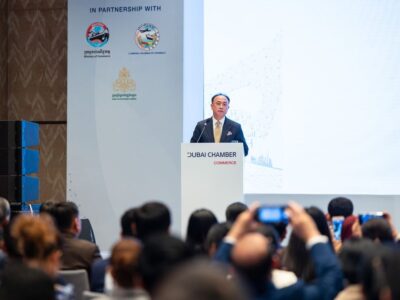
Dr Mohammed Al Zarooni (pictured below), director general of DAFZA, said: “The continuous accomplishments reflect Dubai’s role in sustaining economic activities and enhancing trade on a regional and global scale in the face of crises and unprecedented events. DAFZA consistently contributes to the enhancement and continuity of trade activities.

“The free zone will continue to provide the necessary capabilities to allow the emirate’s economic landscape to flourish and further expand its reach within crucial industries and regions,” he added.
In terms of goods, machinery and electrical equipment ranked first for DAFZA’s trade in 2020, followed by pearls, semi-precious stones and metals.
Asia ranked first in terms of major trading partners with a 42.6 percent share of total DAFZA trade, followed by MENA countries with 37.9 percent, in which the GCC countries accounted for 17.8 percent.
China was DAFZA’s biggest trade partner last year, with 27 percent of trade valued at AED32.3 billion, followed by Iraq and India.
Last year, DAFZA launched a series of economic stimulation packages to support multinational companies and SMEs during the unprecedented economic challenges of the pandemic across all sectors.
Follow us on

