



The world watched in shocked disbelief as a mob of Trump supporters lay siege to Capitol Hill and made a mockery of the world’s bastion of democracy. The question that we are all asking ourselves is “How could this happen?”.
While the answer is multi-faceted, there is no denying that this is the grand finale to a four-year saga, that has been played out very publicly in the media, but more so across social media, often fueled by late-night tweets by President Trump. Built on a foundation of disinformation, ‘fake news’ and the lax nature of social media platforms in moderating Trump’s posts, social media has been a weapon of choice for President Trump since the beginning of his presidency.
What happened in Washington on January 6th 2020, is a wake-up call that demonstrates the power of social media. President Trump has been illustrating the effective use of social media as a “digital megaphone” since he took office, and over the last few weeks he has used this megaphone to frame a specific narrative – the claim that there was rampant voter fraud and the election was ‘stolen’ from him.
A masterclass in how to “weaponise” social media, President Trump has been sharing conspiracy theories and hate speech directly with 89 million followers on Twitter and 35 million on Facebook, since he became POTUS. His final pièce de resistance played out in real-time on Facebook, Twitter and YouTube, as he was able to galvanise his mob of angry “patriots” to march on Capitol Hill and orchestrate a violent breach, the likes of which have not been witnessed since 1814. An event that many communication experts say is the result of four years of systematic propaganda spread via social media platforms, to a captive online audience.
After hundreds of controversial and oftentimes factually incorrect statements, the Capitol Hill breach was the final straw that forced social media companies to take decisive action; within 24 hours of the riot, Facebook placed an “indefinite suspension” on President Trump’s account, while others like Instagram, YouTube and Twitter also temporary locked his accounts and removed or qualified some of his posts. These unprecedented actions speak volumes, but the boldest move has been taken by Donald Trump’s favourite social media platform; Twitter, which just announced that it has permanently banned his account “due to the risk of further incitement of violence”.
Some would argue that it’s too little too late, as President Trump has been flouting social media rules and integrity policies during his entire presidency, however, there is no denying that Facebook and Twitter’s extraordinary actions have set a precedent. With added pressure from people like Senator Mark Warner, who called Facebook, Twitter and Google “collaborators” in an assault on U.S. democracy and others criticising the platforms for not stepping up sooner, it remains to be seen how this will impact the long-term policies and protocols of social media companies. One hopes that it will reignite conversations around their responsibilities in monitoring figures who incite violence, but that remains to be seen.
While we must ask ourselves if greater monitoring of social media would infringe people’s freedom of speech, the underlying truth of the matter is that social media is a beast with no master – and as the deadly riots at the U.S. Capitol have reminded us, if unchecked, this powerful beast that can wreak more havoc than good.
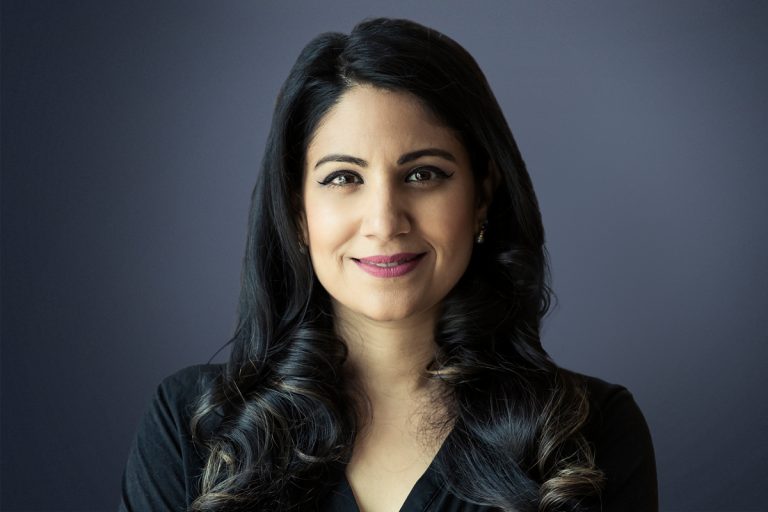
Zaib Shadani is a communications consultant, personal branding and thought leadership expert
Follow us on

