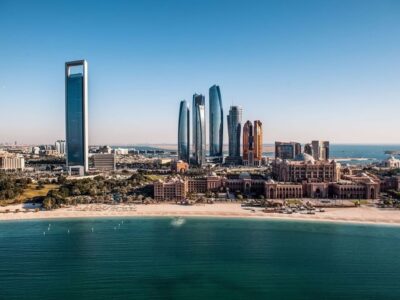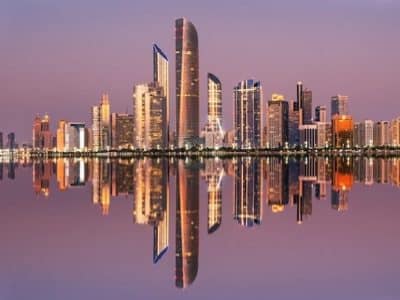
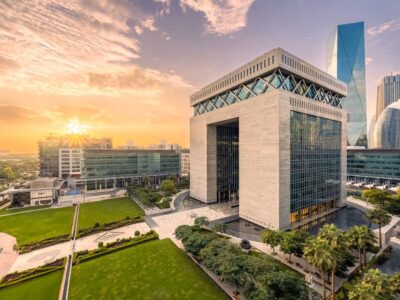

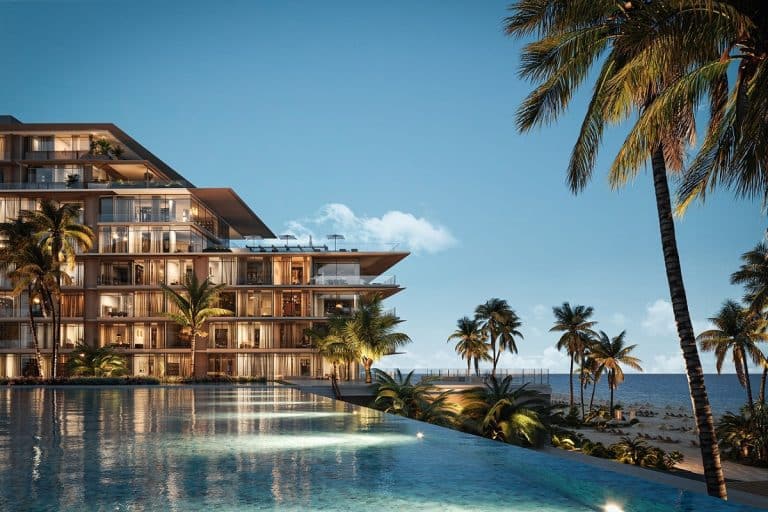
The Middle East is now a leading region in luxury travel, according to a recent report by Mastercard.
The report, which was released at the Arabian Travel Market 2024, revealed that wealthy travellers spend more money in the Middle East than other destinations, showing strong interest for sustainable eco-luxury and cultural experiences.
Among the most popular destinations Istanbul, Dubai, Cairo, Jeddah, and Marrakesh emerged as the most visited cities. Out of these cities, Dubai is where high-net-worth individuals spend the most on their cards compared to other destinations, with an average expenditure of $814.
This amount reflects a difference of $300 more per card compared to visitors who went to London or Paris in 2022. Saudi Arabia also emerged as a destination where rich travellers enjoy to spend their money, with an average card spend of $731.
According to the report, high-net-worth travelers now contribute to approximately 36 percent of the global spend on travel. Millennials comprise of the highest percentage of luxury seekers, followed by Gen Z.

How the Wealthy Want to Travel
According to Mastercard, high-net-worth travelers are placing more emphasis on experiences rather than physical goods, with a growing interest in sustainable and eco-friendly travel options.
Unique and personalized experiences, such as cultural immersion and solo travel, are also becoming increasingly popular among affluent travelers.
High-net-worth individuals are also avid users of loyalty schemes and membership cards, with 34 percent versus the overall average of 24 percent taking advantage of these programs. Exclusive airport lounges, as well as priority check-in and boarding, are among the most used perks of loyalty membership.
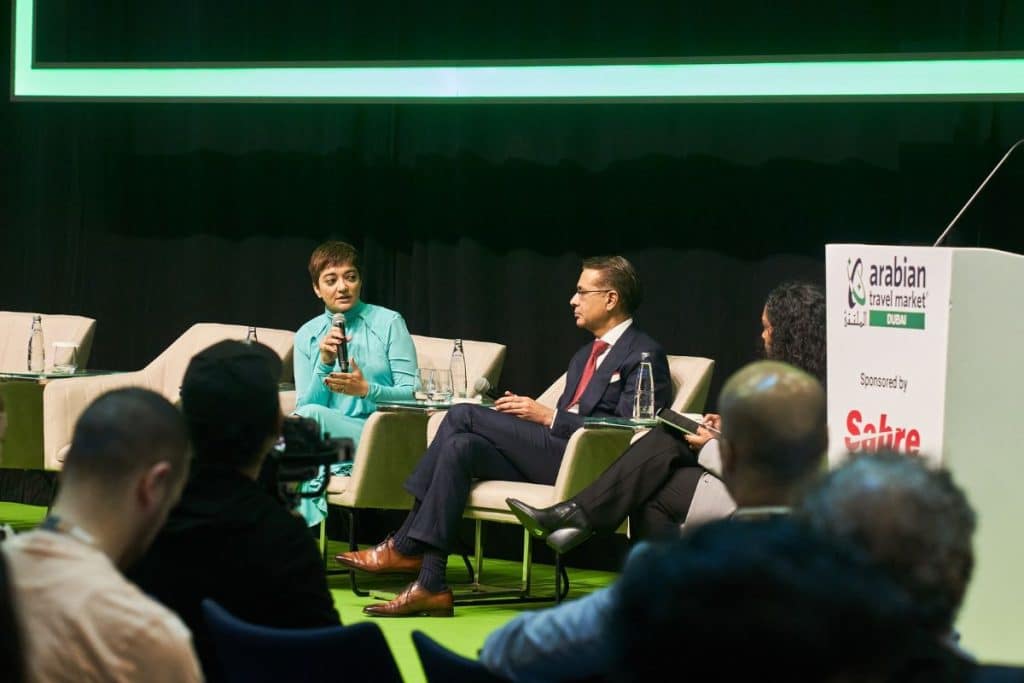
Commenting on the travel trends from the report, Amnah Ajmal, Executive Vice President, Market Development EEMEA, Mastercard said:
“It’s wonderful to see sustainability, cultural immersion and purpose [are] key considerations, along with quality accommodation, seamless technology and loyalty benefits”
“We will continue to harness the power of partnerships with leading industry players to come up with innovative solutions that unlock access to a whole new world of travel experiences.” Ajmal added.
Sustainable travel in high demand
One of the most notable trends from the report was the increasing demand for sustainable and eco-friendly travel experiences.
Affluent travelers are more often seeking out authentic eco-luxury experiences and are willing to pay a premium for them. According to the report, one in 10 consumers globally have stayed in luxury eco-friendly accommodation in the last three years.
The report also found strong demand for sustainable travel options, with nearly 40 percent of luxury seekers willing to pay up to 50 percent more for energy-efficient amenities and services. Furthermore, a quarter of respondents indicated they would pay even higher premiums to secure lower-carbon transportation alternatives during their trips.
New experiences, unexplored destinations and “micro-trips”
Luxury travelers are increasingly seeking out destinations that offer cultural immersion, with 36 percent expressing a preference for experiencing different cultures.
The trend of combining business and leisure travel, or “bleisure,” is also on the rise, as digital nomads look for opportunities to work remotely while traveling. In fact, affluent travelers, particularly those aged 18-34, are almost twice as likely as the global average to have taken a vacation as an extension to a business trip.
Personalisation is key
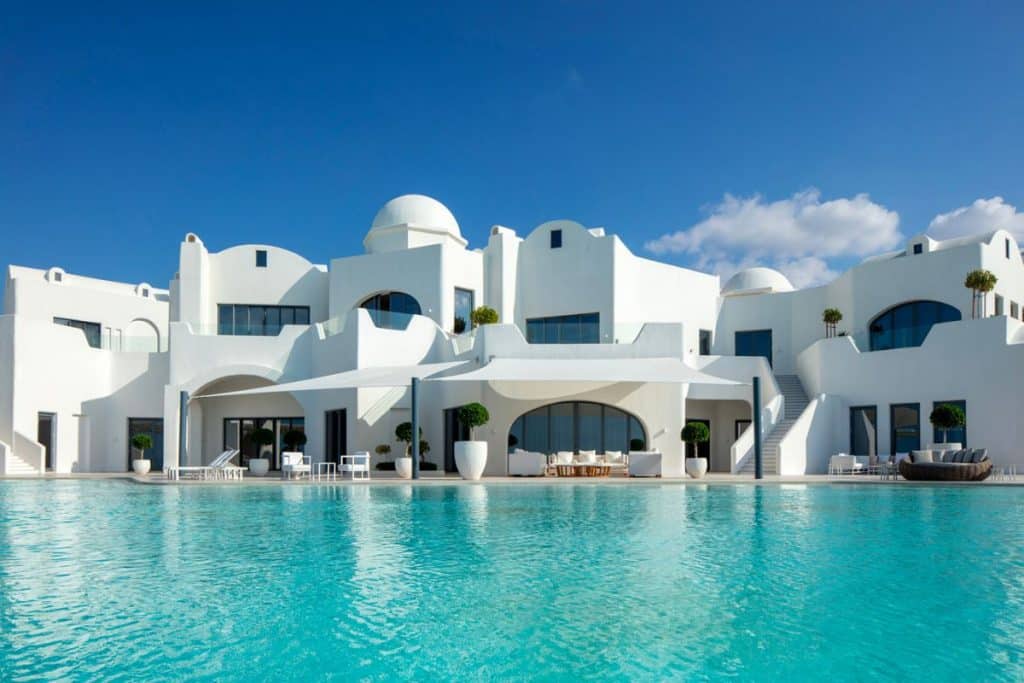
Well-heeled travellers are more than often prioritizing unique personalized experiences over location. Quality luxury accommodation is a high priority, with 27 percent of respondents saying they would pay more for villas and chalets in secluded and private locations.
Over 20 percent of respondents said they would happily splurge on a private island for a luxury stay, according to the report.
In addition, younger travelers prioritise unique and personalized gourmet experiences, and are willing to spend more money to indulge in such culinary adventures.
Who are the highest spenders?
Middle East travellers are among the highest spenders in the luxury travel market, both within the region and globally. Kuwaiti tourists, for instance, spend an average of USD 3,390 per card in Paris, five times the spending by American tourists
Within the GCC, Gen X are expected to drive travel. They will be responsible for USD 11.1 billion, or 41 percent of Saudi Arabia’s total outbound travel market value of USD 27 billion by 2028. In the UAE, Gen X is expected to spend USD 18.2 billion, 60 percent of the total value of USD 30.5 billion by 2028.
Follow us on