



The coronavirus pandemic has served as a wake-up call for many institutional investors, emphasising the importance of considering the addressing global systemic risks within both their own organisations and their portfolios. With that, many institutional investors are looking beyond just traditional risks and return factors within portfolios.
The need for a unified approach to mitigate risks and meet the demand for growing environmental, social and governance (ESG) standards has never been more evident, shares Tarek Lotfy, Mercer CEO, UAE and IMETA, in an interview with Arabian Business.
These systemic risks, which are centred around ESG, have always existed, according to Lotfy.
“The relatively new aspect of this is how you incorporate, or how you integrate, the systemic risks into your strategy and thinking.”
These risks include climate change, low interest rates, technological disruption, demographic shifts, geopolitics, and water scarcity. However, Lotfy believes that these risks carry underlying benefits and opportunities for investors, acting as a foundation for sustainable returns, while also creating a positive social and environmental impact.
The total market value for ESG investments will reach $53 trillion over the next five years, according to Bloomberg Intelligence, indicating the popularity of their blended value proposition, which merges both social values and investment performance.
“If this is the way that the world is going in – if more attention is being paid to climate change – you really need to understand these trends… you need to be positioned in a way where your portfolio will benefit from these advancements and not be hindered
by them,” he adds.
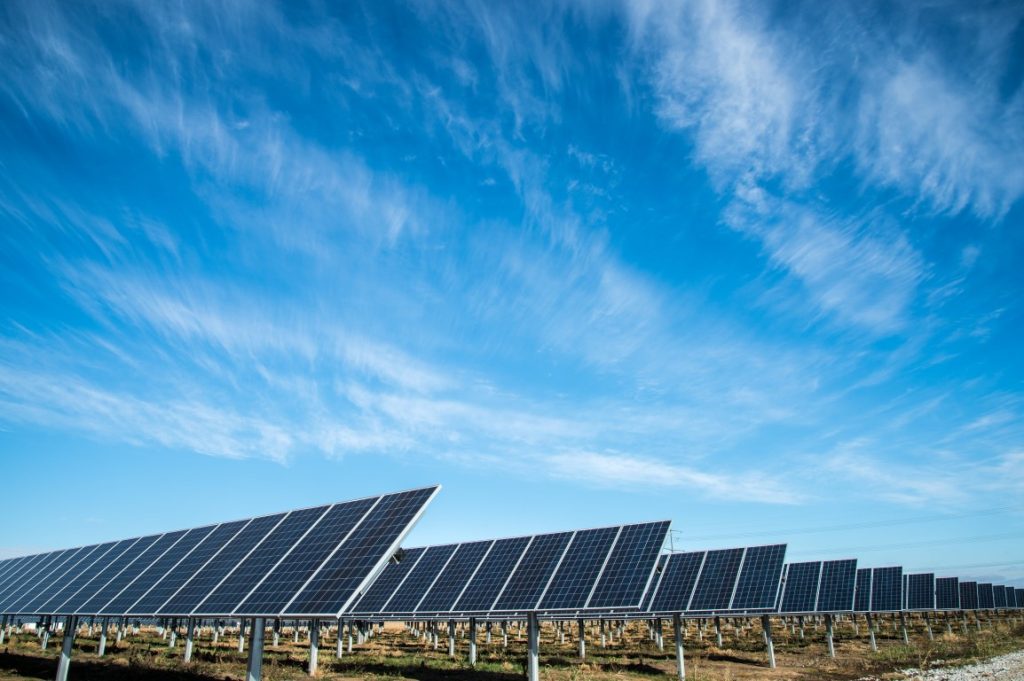
Using the example of climate change and the move towards low carbon economies, Lotfy says: “Companies that address these concerns will do well. From an investor perspective, I’d rather be investing in those companies, knowing they will perform well as opposed to companies that are not.”
“Asset owners are also starting to understand more the impact they can have on these issues… these are no longer issues that only governments are dealing with,” he adds.

Opportunities abound
In terms of integrating these systemic risks, there’s an opportunity that is global, and one where the GCC stands to gain significantly.
“I don’t think it’s a case of resistance – I think it’s a case of slow transition and the differing maturity of asset owners. I don’t know that there’s anyone that is resisting, I just think people are at different places in the journey,” he says.
In the Middle East, Lotfy shares that “a lot of productivity” is coming out of the region, with these trends becoming much more actively discussed.
“We’ve seen a lot of positive movement around the GCC in general from an investor perspective… I think there’s probably work to be done still as there is everywhere, but we’re definitely seeing movement in the right direction,” Lotfy says.
With that, Lotfy refers to the growing commitment of GCC asset owners who are now looking more closely at the impact of ESG factors.
“As a whole the GCC asset owners are rapidly catching up with their global peers for ESG and more notably climate … the regional asset owners are also starting to use their size and collective ‘power’ to exert influence which is driving global adoptions amongst corporates,” he says.
Turning plans into action
Four out of the six sovereign wealth funds to have founded the One Planet SWF Working Group are from the Middle East (ADIA, PIF, KIA, QIA), illustrating increasing activity in this space as asset owners look to translate their commitments into actions. The pandemic has also uncovered the importance of key ESG performance indicators for long-term value creation.
Regionally, while some asset owners are mindful of their progress in integrating these trends into their strategies and portfolios, many are less aware of how they compare to peers.
Commenting on the region’s lack of ESG reporting standards, Lotfy says: “When you look at reporting standards, it’s very difficult to manage what you don’t measure.”
“If you don’t have standardised metrics or reporting to assess where you are relative to where you were, or where you are relative to your peers, it’s very difficult to understand if you are doing enough,” he adds.
However, “there is activity going on in the space”, shares Lotfy, referring to the newly formed ESG standard-setting board, the International Sustainability Standards Board (ISSB), as well as the growth of resources dedicated to ESG initiatives within organisations.
“There is value for organisations to consider an investment beliefs session with key stakeholders when setting or reviewing their ESG investing strategy. This will ensure alignment of focus and monitoring that is productive and additive over time, rather than just an administrative burden,” he explains.
Follow us on

