




On Monday, the World Health Organisation (WHO) said at least nine deaths have occurred in Equatorial Guinea’s first-ever outbreak of Marburg virus disease (MVD), caused by an Ebola-like virus with a fatality rate of 88 percent without treatment.
The UN health agency confirmed the epidemic after samples from the western African country were sent to a lab in Senegal. It also said there are 16 suspected cases with symptoms.
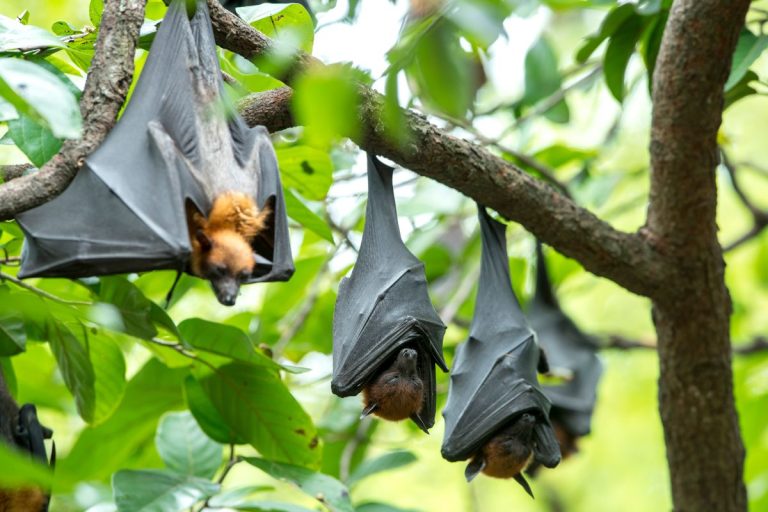
Like Ebola, the Marburg virus originates in bats and spreads between people via close contact with the bodily fluids of infected people, or surfaces, like contaminated bed sheets.
Here’s what you should know about the Marburg virus (information provided by the US Centers for Diseases Control & Prevention (CDC):
How we came to know about Marburg virus disease:
First identified in 1967 after it caused simultaneous outbreaks of disease in laboratories in Marburg, Germany and Belgrade, Serbia, while conducting research on monkeys. Seven people died who were exposed to the virus.
Thirty-one people became ill, including several medical personnel and family members. The first people infected had been exposed to Ugandan green monkeys or their tissues while conducting research.
Is the whole world at risk?
Potentially yes, but unlikely.
The reservoir host of Marburg is the African fruit bat, Rousettus Aegyptiacus. It is a cave-dwelling bat that is found widely across Africa. Given its broad geographic spread, more areas are potentially at risk for outbreaks of MVD, but the virus is not known to be native to other continents. There have been past reports of outbreaks in African male mine workers.
However, if not quarantined properly, the virus spreads within their communities and among healthcare staff. Apart from the 1967 outbreak, a Dutch tourist developed MVD and died after returning from Uganda in 2008.

How lethal is the MVD?
In a 2004 outbreak in Angola, Marburg killed 90 percent of 252 people infected. It has a fatality rate of 88 percent if not treated. Based on data from past outbreaks, CDC says the case-fatality rate is between 23-90 percent.
Is there a vaccine, or cure, for MVD?
There are no authorised vaccines or drugs to treat Marburg. Supportive hospital therapy should be utilised, which includes balancing the patient’s fluids and electrolytes, maintaining oxygen status and blood pressure, replacing lost blood and clotting factors, and treatment for any complicating infections.
How is the MVD transmitted?
It is not known how Marburg virus first spreads from its animal host to people; however, unprotected contact with infected bat feces or aerosols are the most likely routes of infection. However, later transmission spreads through contact (such as through broken skin or mucous membranes in the eyes, nose, or mouth) with blood or body fluids of a contaminated person, or through objects belonging to the contaminated person. Spread of the virus between people has occurred in close environments and among direct contacts.

Signs and symptoms of MVD:
After an incubation period of 2-21 days, symptoms include fever, chills, headache, and myalgia (muscle pain). Around the fifth day after the onset of symptoms, a maculopapular rash, most prominent on the trunk (chest, back, stomach), may occur. Nausea, vomiting, chest pain, a sore throat, abdominal pain, and diarrhea may appear. Symptoms become increasingly severe and can include jaundice, inflammation of the pancreas, severe weight loss, delirium, shock, liver failure, massive hemorrhaging, and multi-organ dysfunction.
Why is MVD diagnosis difficult?
Because, many of the signs and symptoms are similar to other infectious diseases such as malaria, typhoid fever, or dengue or viral hemorrhagic fevers.
Antigen-capture enzyme-linked immunosorbent assay (ELISA) testing, polymerase chain reaction (PCR), and IgM-capture ELISA can be used to confirm a case of MVD within a few days of symptom onset.
Follow us on

