


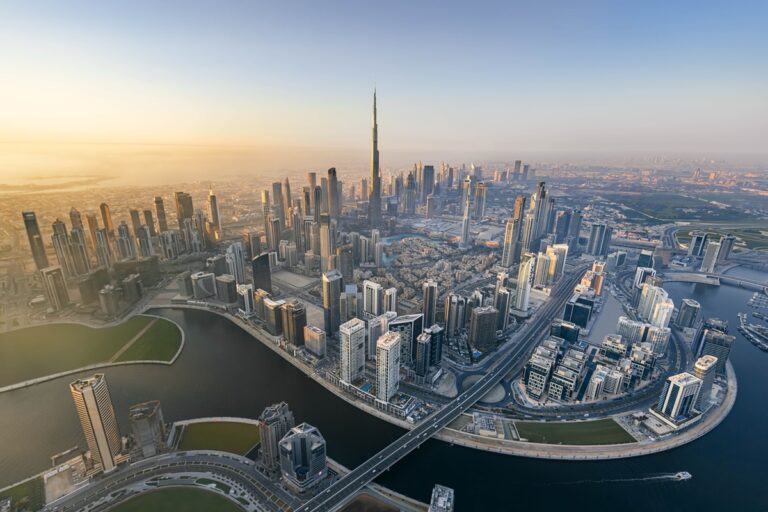
The Dubai rental housing market is entering a phase of structural transformation in 2026, moving away from rapid growth toward a more mature and predictable environment defined by higher vacancy, seasonal pricing pressure and a clear shift toward long-term leases and homeownership.
Rather than signalling a downturn, the changes reflect a recalibration of supply, demand and tenant behaviour as Dubai’s population approaches 4 million and affordability becomes central to sustaining long-term economic growth.
According to forecasts from Colife, the average annual vacancy rate in Dubai’s rental market is expected to reach approximately 12 per cent in 2026, with pronounced seasonal variation.
Dubai rents
Peak vacancy is projected in July and September, when rates may rise to around 16 per cent, driven by summer tenant outflows, extreme temperatures and a slowdown in business activity.
By contrast, vacancy is expected to fall to roughly 5 per cent in October and November, traditionally the most active period for relocations, hiring and new corporate contracts.
For investors, this marks a shift away from focusing solely on headline annual rents toward managing income stability during low-season periods.
The mid-term rental segment is expected to remain under pressure during the summer of 2026.
Colife data indicates that average low-season rents may decline by up to 5 per cent compared to previous years, while high-season rates are expected to remain broadly in line with 2024–2025 levels, with limited upside.
Price movements will continue to depend on asset positioning. Luxury properties are likely to experience milder corrections, while comfort- and business-class units are more exposed to seasonal volatility.
Seasonal changes
Ilnara Muzafyarova, CEO of Colife, said: “Our core tenant base consists of young expatriates in the upper-middle-income segment. Professionals relocating to Dubai for work or business. For this audience, the average annual rent per unit stands at approximately AED 11,900 per month ($3,240).
“During the summer period, rents may fall to AED 6,000–7,000 ($1,635–$1,905), though these declines are typically offset by strong performance between October and April”.
One of the defining trends of 2026 is a move away from mid-term rentals toward long-term leases and homeownership, as tenants increasingly view Dubai as a permanent place to live rather than a temporary base.
This shift is particularly visible in districts such as Al Furjan, Jumeirah Village Circle and Jumeirah Lake Towers, where Ejari-registered long-term contracts in 2025 delivered higher investor returns than mid-term rentals. Mid-term rents dropped sharply during low season, while annual leases provided steadier cash flow and significantly lower vacancy.
For investors targeting residential, non-touristic areas, long-term rentals are emerging as a more predictable and resilient strategy over a three- to five-year investment horizon.
Short-term rentals face oversupply
The most vulnerable segment in 2026 is short-term rental accommodation. According to AirDNA, Dubai recorded approximately 25,000 active short-term listings in 2025, compared with just 9,000 in 2022 — nearly a threefold increase in supply within three years.
While tourist arrivals continue to grow, demand has not matched the surge in listings. This imbalance is expected to drive further declines in average daily rates, intensify competition among hosts and raise expectations around property quality and management standards.
A significant structural change underpinning the market is evolving tenant behaviour. Two to three years ago, many residents treated Dubai as an “on-and-off” destination, leaving during the summer and returning for peak season. By 2026, this pattern has largely disappeared.
More residents are settling permanently, taking out mortgages, signing long-term leases and relocating their families. As a result, the rental market is becoming less dependent on short-term tourism cycles and more anchored in long-term residency.
Accessibility and benefits
While softer rents may concern some landlords, the adjustment brings wider benefits. As affordability becomes increasingly important, moderation in rental prices helps make Dubai more accessible to skilled professionals, young families and mid-income expatriates — groups critical to economic diversification and innovation.
More affordable housing lowers relocation costs for employers, reduces friction for new arrivals and improves talent retention, supporting a more stable tenant base and lower turnover over time.
In 2026, Dubai’s rental housing market will no longer be defined by growth at any cost. Instead, it will be shaped by balance, segmentation and strategic choice of rental format.
High rents will persist in prime locations and peak seasons, but investors will need to account for vacancy risk, seasonality and shifting demand patterns.
The strongest performers will be those prioritising income stability across the full year rather than chasing peak headline rents.
Follow us on

