






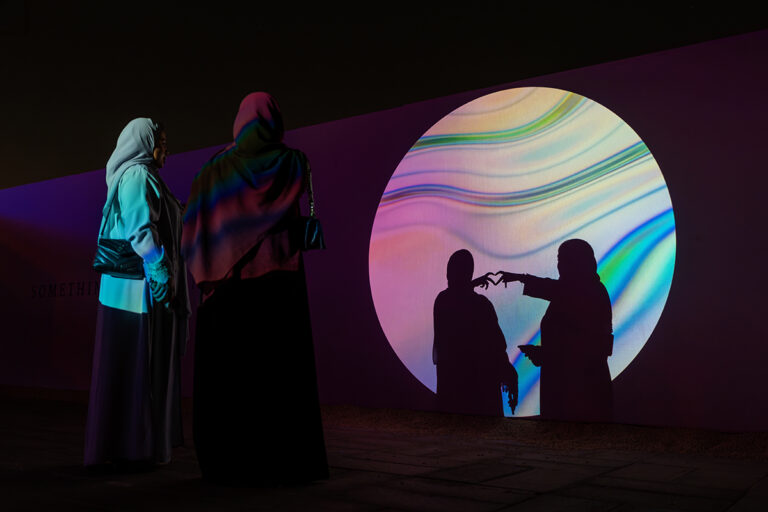
The most powerful cities are those that move us; not just with what we see, but with what we feel. In Dubai, a new demand is emerging for retail spaces that go beyond transactions, and instead prioritise culture, community, and a sense of belonging. This shift is reshaping how we think about placemaking.
Residents and visitors today are drawn to commerce or convenience, but also to thoughtfully curated spaces that carry emotional weight; places that invite participation, spark emotion, and offer meaningful connection. Increasingly, the meaning of retail is defined by what it enables – memory, identity and shared experience – rather than what it sells.
Dubai’s international brands, seasoned entrepreneurs and homegrown businesses alike are seeking destinations that provide the context for collaboration, delivering distinctive experiences through a local lens. Nowhere is this more visible than at Dubai Creek. Long considered a cradle of trade and tradition, the Creek is re-emerging as a stage for cultural storytelling. And at the centre of that evolution is Marsa Boulevard, a seasonal waterfront destination that puts culture first.
Where heritage meets modern Dubai
Marsa Boulevard embodies the shift towards the new interpretation of placemaking, positioning the Creek as a living part of the city’s cultural future; to be explored through shared spaces and stories. Set against the historic waterway, Marsa Boulevard offers an environment where heritage, creativity, and community co-exist through carefully curated experiences.
In its first season, visitors explored its open-air corridors to witness public art take shape, sample exclusive menus from homegrown chefs, and reflect on global warming issues inspired by large-scale installations from renowned artists such as John Gerrard and Bernar Venet. This appetite for multi-sensory, purposeful spaces signals a deeper truth: when destinations move beyond transactional sameness and offer something emotionally resonant, people show up and respond.
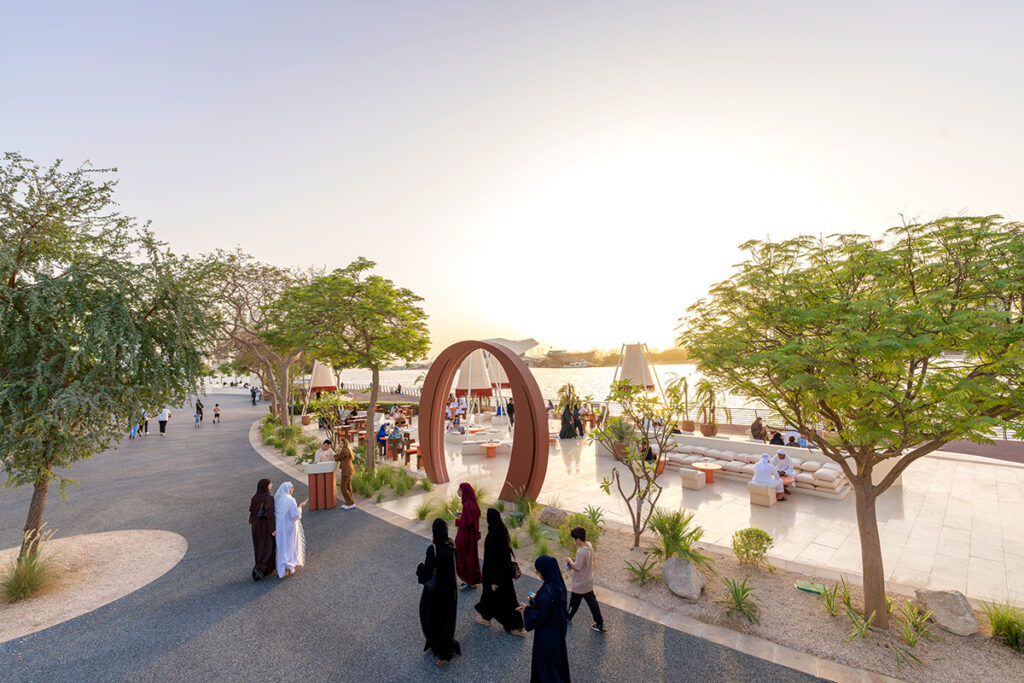
Reopening its doors for a second season in October 2025, Marsa Boulevard satisfies this appetite with an expanded curation celebrating Dubai’s culinary creativity, homegrown talent, and global influences. But the data tells only part of the tale. What makes Marsa Boulevard distinct is its ability to turn space into story; to connect communities through its offerings.
A new chapter of creative discovery
Here, heritage meets innovation not just visually, but experientially. A new seasonal calendar includes high-end fashion capsules at Studio 152 – a new fashion-forward space spotlighting regional creativity – alongside experimental pop-ups, interactive workshops, and curated cultural showcases designed to spark discovery and dialogue. Brands include a diverse mix of homegrown fashion labels and regional designers, reinforcing Marsa’s role as a launchpad for the local creative economy. New dining concepts this season include WatchHouse, Brooki, Solenn, Flat 12, and Fynd, further enriching the culinary landscape.
This season also saw the launch of an exclusive new concept: Carousel. A one-of-a-kind culinary destination in the region, Carousel offers an immersive, ever-evolving dining experience that features a rotating line-up of renowned chefs – each taking over the space for two weeks at a time – to ensure guests can celebrate innovation, creativity, and world-class cuisine in a fresh, curated culinary journey on every visit. Intimate, exclusive, and dynamic, Carousel is set to become a must-visit landmark for epicurean enthusiasts and trendsetters alike.

Moreover, Marsa Boulevard returns with a renewed focus on interactive cultural programming, aligning with the UAE’s 2026 Year of Family. From the interactive Sadu Wall, where guests co-weave a communal tapestry that celebrates Emirati craft, to immersive art installations that invite reflection and participation, the second season continues to explore how modern placemaking can be immersive, inclusive, and emotionally resonant.
Today, the conversation has moved from building places to activating experiences, judged by how often people return, how long they stay, and how deeply they engage. In an age where cities are defined by what they enable rather than what they contain, Marsa Boulevard offers a glimpse of Dubai’s next chapter: where culture sets the brief and space follows; where placemaking begins not with blueprints, but with purpose.
Follow us on

