


Dubai-based HyperSpace is no ordinary start-up.
Tasked with a mandate to develop a physical front end to the metaverse, purpose-built environments with real-time connectivity to digital worlds and lifestyles, you would be forgiven for thinking you’ve stepped into a parallel universe.
The parks bring to life various ‘experience zones’, allowing visitors to discover a variety of fantastical environments, from surrealist playgrounds and built immersive neighbourhoods, to virtual production stages with holographic high-speed supercars and high-end digital fashion using innovative real-time visual effects.
Founder and CEO Alexander Heller told Arabian Business: “The park is very much designed to enhance your digital identity, and that’s the key here, you can come into the park and enhance your digital you.
“You can create avatars, you can create pieces of digital fashion, memes and artworks and pieces of design. You can mint them and what we’ve been able to do here is take away all the complicated elements and confusing elements of blockchain, NFT, metaverse, digital identity, and just make it super seamless, where you’re going to win every time.”
HyperSpace has just recently completed a seed funding round, raising $11 million. Led by Introsight and Dubai financier Mohammed Afkhami, and including founder/CEOs Yakir Gola and Rafael Ilishayev of GoPuff, it is one of the largest seed rounds in the Middle East.
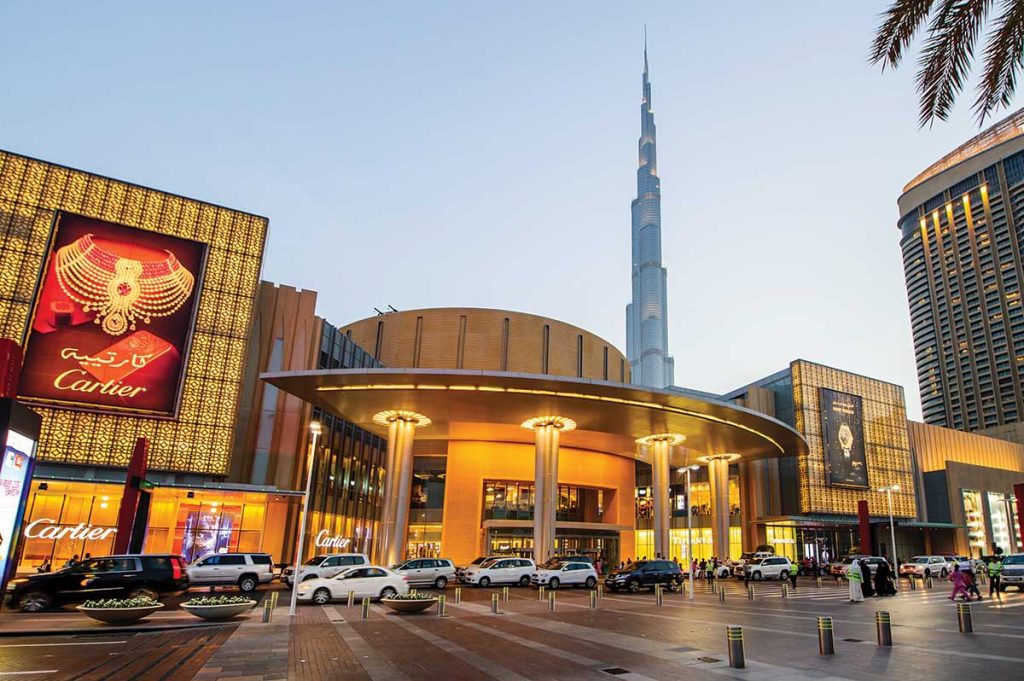
And it will go a long way to opening up HyperSpace’s first two venues in Dubai – House of Hype, a 100,000 sqft park in Dubai Mall; and AYA, at Wafi Mall, across 40,000 sqft. Both are set to open in the second half of next year.
Heller explained: “The importance of physical retail is massive in the UAE. I knew this was a market that, number one, would accept it; and that it would celebrate it.
“Dubai Mall is not going anywhere. If I open this in a mall in LA, maybe they’ll close there in a few years because retail is trending in one direction. But Dubai Mall is like a pillar to society, so I knew that the solidity and the future vision of what we are doing, is very much appreciated here. Dubai always wants to be at the forefront.
“At the same time, it was a massive market opportunity. I looked at what I was doing and then I looked at Dubai, which has this massive tourist audience – there was almost 17 million tourists visiting Dubai in 2019. They are the number one for tourist spending in the world, number one social media per capita use in the world.
“Yet when you look at the format of entertainment attraction that I bring to the market, there isn’t really much competition.
“If you’re a tourist here, there is a 4.8-day average spend. You’re plotting out that five-day period. I get you have the beach and the desert and all these great things, you have culture and all these long-format entertainment attractions, but you have very little in the hour-to-two-hour format.
“That’s where entertainment attractions is going these days, because of people’s attention spans and value in terms of what they want out of an entertainment attraction is far more built towards content creation and social media, especially in the UAE.”
And Heller admitted he was also helped by the opportunities presented as a result of the Covid-19 pandemic, when shopping malls were temporarily shuttered to contain the virus and the e-commerce boom took off.
He said that, in order for shopping malls to survive and thrive, they must become more experiential, a key facet that plays straight into the hands of HyperSpace.
“I looked at Covid as an opportunity. I’m never phased by anything. I just thought this has accelerated a giant problem, an old-world problem in the retail apocalypse situation.
“I stayed in Dubai during Covid and I was basically able to interact with malls. They knew that they had to be very reactive to the new retail environment, that their business was fading into the rear-view mirror if they weren’t quick about adopting experiential,” he said.“Knowing that they have to be bolder than ever when it comes to future-proofing their business, even if it makes them uncomfortable.
“And so we were able to come in, unlike a lot of other people in the space, in a unique way and basically say, we are not trying to licence you an experiential product, we want you to stay a landlord and we will stay a tenant, but we need your help, we need you to capex our business with us.
“We found that in the Middle East, with the likes of Emaar, Wafi and other mall operators that we’ve spoken to. You do have a real ecosystem that speaks towards the future of retail. Where you might not have that in other parts of the world, you have that in spades in the UAE,” he added.
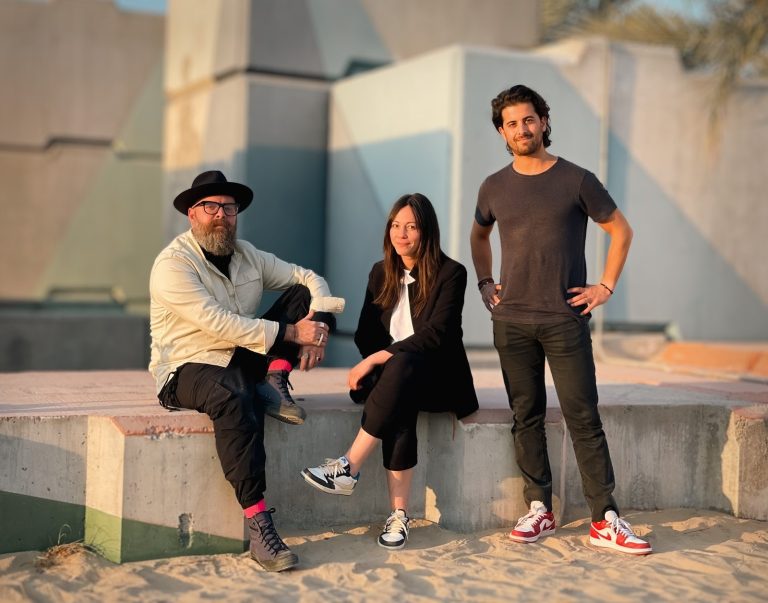
Heller has also been successful in attracting top talent to join his start-up journey in the shape of Desi Gonzalez, the HyperSpace COO; and Rama Allen, company CCO.
He said: “Normally with a start-up, you come up with an idea and then you get a bunch of 25-year-olds that will follow you to the end of the earth to jump on board. Instead, my employee numbers two and three were two of the most seasoned individuals in the industry, having been on long-term retainers for the likes of Facebook and Google and Nike and Amazon.”
And in terms of plans for the future, Heller’s ambitions hold no bounds.
“For sure the world. We love the Middle East. We’ve been chosen to build our company in the Middle East, but we have massive ambitions. We want to be the next UAE success story,” he said.
Follow us on

