




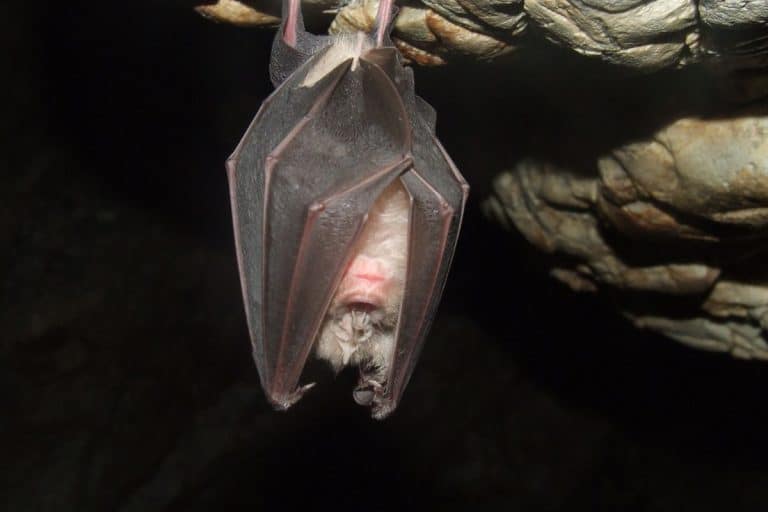
Marburg caused by an Ebola-like virus with a fatality rate of 88 percent without treatment, declared as fatal by the World Health Organisation (WHO) originates in bats and spreads between people via close contact with the bodily fluids of infected people, or surfaces, like contaminated bed sheets.
The virus has the capacity to cause outbreaks with high fatality rates, clinically similar to Ebola, the virus broke from a laboratory handling African green monkeys from Uganda. The virus then spread to various regions including Angola, Kenya, Uganda and South Africa.
Marburg virus disease causes
- Contaminated food products
- Close contact with an infected animal
- Contact with infected animal’s bodily fluids
- Contact with infected person’s bodily fluids
- Burial ceremonies in direct contact with the infected person
Signs and symptoms
- Fever
- Sore throat
- Headache
- Chills
- Weakness
- Muscle aches
- Diarrhea
- Abdominal pain
- Nausea
- Vomiting
- Rash
- Hemorrhagic signs
- Confusion
- Seizures
- Shock
- Multiple organ failure
“Marburg is highly infectious. Thanks to the rapid and decisive action by the Equatorial Guinean authorities in confirming the disease, emergency response can get to full steam quickly so that we save lives and halt the virus as soon as possible,” said Dr Matshidiso Moeti, WHO Regional Director for Africa.
Treatment and cures
There are currently no vaccines or treatments available for the virus.
Supportive hospital therapy should be utilised, which includes balancing the patient’s fluids and electrolytes, maintaining oxygen status and blood pressure, replacing lost blood and clotting factors, and treatment for any complicating infections.
Diagnosis
The disease is typically diagnosed through a review of medical symptoms by a medical professional. Early detection is challenging as distinguishing factors are lacking and the symptoms overlap with other infectious diseases.
Current confirmed cases
The latest case confirmed in Equatorial Guinea was first detected in Kie-Ntem, near the border with Cameroon.
First identified in 1967 after it caused simultaneous outbreaks of disease in laboratories in Marburg, Germany and Belgrade, Serbia.
Pandemic risk
Potentially yes, but unlikely.
The African fruit bat is a cave-dwelling bat that is found widely across Africa. Given its broad geographic spread, more areas are potentially at risk for outbreaks, but the virus is not known to be native to other continents. There have been past reports of outbreaks in African male mine workers.
However, if not quarantined properly, the virus spreads within their communities and among healthcare staff. Apart from the 1967 outbreak, a Dutch tourist developed MVD and died after returning from Uganda in 2008.
Follow us on

