





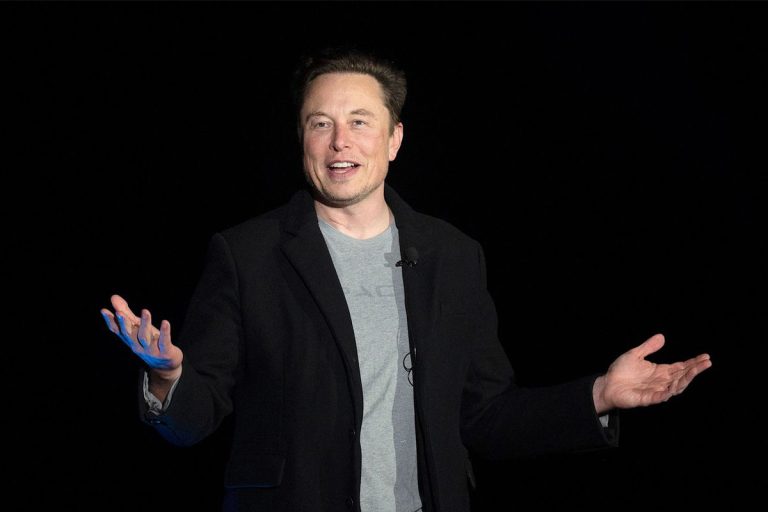
Elon Musk, the world’s richest person and the CEO of Tesla, has clinched a deal to buy Twitter Inc for approximately $44 billion.
Musk used one of the biggest leveraged buyout deals in history to take private a 16-year-old social networking platform that has become a hub of public discourse and a flashpoint in the debate over online free speech.
Investors will receive $54.20 for each Twitter share they own, the company said in a statement Monday.
The price is 38 percent more than the stock’s close on April 1, the last business day before Musk disclosed a significant stake in the company, Bloomberg reported.
Twitter’s chief executive officer Parag Agrawal sent an email to Twitter employees as the news was announced, informing them of a company-wide meeting scheduled for 2 pm to talk about the deal.
“I know this is a significant change and you’re likely processing what this means for you and Twitter’s future,” he wrote. At the all-hands meeting, he sought to reassure workers that until the deal closed, it would be business as usual.
The deal was unanimously approved by the company’s board, and is expected to be completed later this year.
Musk, the world’s richest person, secured $25.5 billion of debt and margin loan financing and will provide about $21 billion in equity to fund the deal, Bloomberg reported.
Musk’s deal to buy Twitter includes a provision that the billionaire is required to pay the company a fee if he were to walk away or the deal falls apart, according to people familiar with the matter.
The deal does not include a “go-shop provision,” meaning Twitter isn’t allowed to solicit offers from other potential bidders. When they resumed trading after a halt for the news, Twitter shares jumped 5.7 percent to $51.70 at the close in New York, Bloomberg reported.
Elon Musk’s journey to the $44 billion deal for Twitter
Reaching the agreement was the culmination of a months-long saga that saw Musk amass 9 percent of Twitter’s shares; launch a fusillade of criticism at Twitter’s management; rebuff an invitation to join the company’s board; and then announce an offer that many people first construed as a joke.
Musk, one of Twitter’s most-watched users with more than 83 million followers, began buying shares in January.
By March, he had ramped up his criticism of Twitter, alleging that the company’s algorithms are biased and feeds cluttered with automated junk posts. He also suggested Twitter’s user growth was inflated by bots.
After rejecting an invitation to join the company’s board, on April 14 he offered to take Twitter private, saying he’d make the platform a bastion of free speech and dropping other hints about the changes he’d make as owner.
The ideas verged from the practical — say, letting users edit tweets and combating the spread of bots — to the peculiar, such as a proposal to turn the company’s San Francisco headquarters into a homeless shelter.
Twitter was so cool on the proposal that it adopted a so-called poison pill defense that would effectively dilute Musk’s stake if it got much bigger.
Twitter’s board soon came around, persuaded by an elaborate $25.5 billion debt financing plan from Morgan Stanley and a who’s who of other global investment banks.
Getting to yes with Twitter’s directors, though, is only the first step in what’s likely to be an arduous experiment for Musk.
He hasn’t said who he wants to run the business, but it’s likely Musk himself will have a hand in setting direction. All while he continues to run Tesla Inc., Space Exploration Technologies Corp. and other businesses.
The outspoken entrepreneur has hinted at a long list of changes he wants to make at the social-media platform, including removing restraints on speech, while at the same time casting doubt on the advertising model that accounts for the bulk of Twitter’s revenue.
He’s on record as saying he’s not in it for the money. “I don’t care about the economics at all,” Musk said at TED.
While profit may be a luxury for the 50-year-old billionaire, it’s a central concern for the employees that Musk will need to keep Twitter’s engines running.
And with Twitter going private, management will no longer be able to use options on publicly traded shares as compensation to lure and retain the hard-to-find coders all too ready to jump ship for a rival, Bloomberg reported.
User growth could also prove tricky. Musk’s promise to ease content-moderation policies is a welcome change for some people, but it has alarmed Black, Muslim, LGBTQ+ and other groups who have voiced worry about increased harassment on the platform.
Musk reiterated his preoccupation with speech policies Monday in the statement announcing the deal. “Free speech is the bedrock of a functioning democracy, and Twitter is the digital town square where matters vital to the future of humanity are debated,” Musk said. “Twitter has tremendous potential – I look forward to working with the company and the community of users to unlock it.”
Follow us on

