




Creative solutions are needed now more than ever to address growing concerns around climate change. But many of the people the world is turning to for these crucial solutions were the hardest hit by the pandemic.
Deemed non-essential, some 10 million jobs in the culture and creativity sectors were lost or became fragile in 2020, when globally the sector shrunk by $750 billion, according to UNESCO figures.
The UAE weathered the pandemic fallout relatively well, in large part thanks to a technologically advanced and connected society.
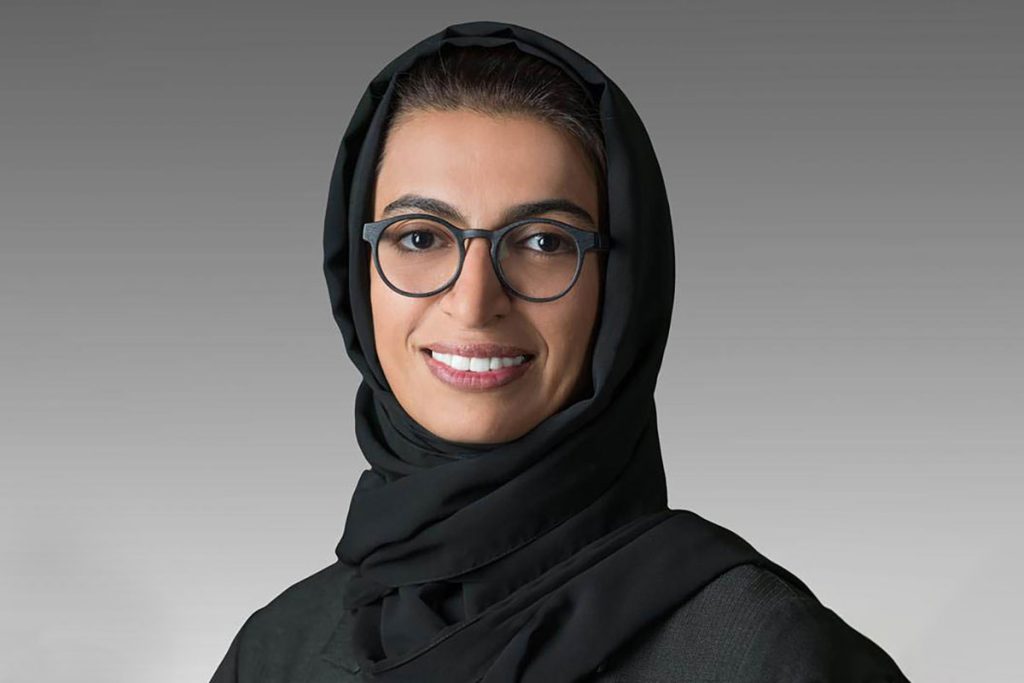
“That technological innovation that allowed us to do this during these trying months was the result of human creativity,” Noura Bint Mohammed Al Kaabi, the UAE Minister of Culture & Youth, said during the World Conference on Creative Economy in Dubai.
Dubai is looking to become a creative hub and has implemented policies to attract creatives from around the world. In April, the emirate launched its Creative Economy Strategy that looks to double the contribution of the creative industries to GDP from 2.6 percent in 2020 to 5 percent by 2025.
“The link between culture and creative industries and [UN] sustainable development goals is clear. A thriving cultural economy is an unquestionable guarantee for urban recovery and growth,” Al Kaabi said.
The UAE, like other countries globally, is also looking to transform into a sustainable society as climate change becomes a more pressing concern.
“Culture and creativity offer answers as we seek to build a more sustainable future. To build stronger and more inclusive societies we need to support the cultural sectors and the creative economy,” Audrey Azoulay, director general at UNESCO, said.
But creators need support and protection. “The challenge is to better protect creators, artists, because the crisis has highlighted the vulnerability of the people working in the sector,” Azoulay said.
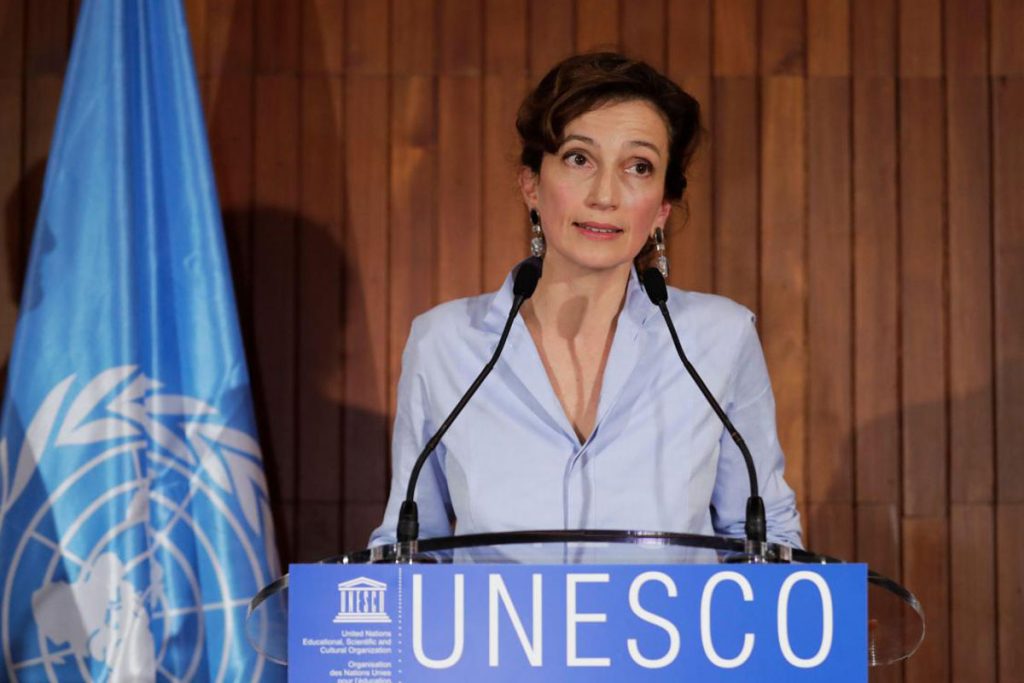
“Digitisation creates many opportunities, but digital technology also gives rise to challenges that must be addressed, particularly surrounding distribution and business models,” she said.
Digital platforms play a large role in providing access to creative works, but those platforms are also claiming an ever increasing size of the market.
“We need to be sure that, in this environment, creators are able to earn a living from their creations. This means guaranteeing a fair share between digital platforms and creators through appropriate legislation where need be, and it’s necessary to ensure digital distribution helps cultural diversity,” she said.
Follow us on

